COSMETIC & RESTORATIVE DENTISTRY · STATEN ISLAND
A Natural Smile,
Designed Around You.
Personalized cosmetic dentistry using digital smile design, minimally invasive techniques, and natural-looking porcelain restorations.

REMEDY DENTISTRY
Cosmetic Dentistry That Looks Like You—Only More Confident
Your smile should complement your face, personality, and natural features—not look like the same smile placed on every patient.
At Remedy Dentistry, Dr. Gregory Balaes combines clinical precision, digital technology, and an artistic approach to create personalized treatment plans for patients seeking a healthier, brighter, and more balanced smile.
Whether you are considering porcelain veneers, no-prep veneers, Invisalign, whitening, bonding, dental implants, or comprehensive restorative care, treatment begins with understanding what you want to improve and determining the most conservative appropriate solution.
Meet Dr. Gregory Balaes →PERSONALIZED DENTAL CARE
Treatments Designed for Health, Function and Esthetics
Explore cosmetic, restorative, and preventive options selected according to your individual needs.
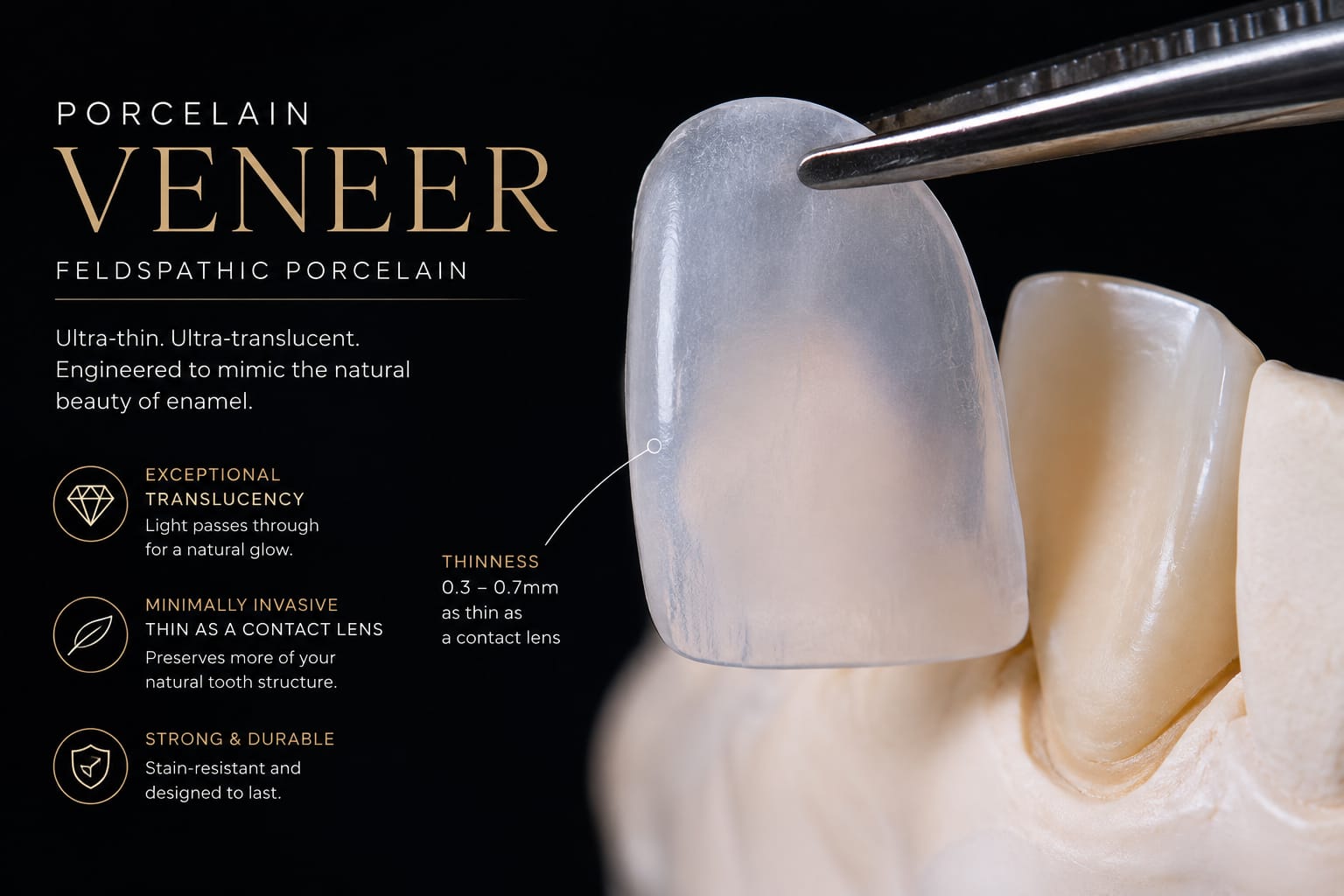
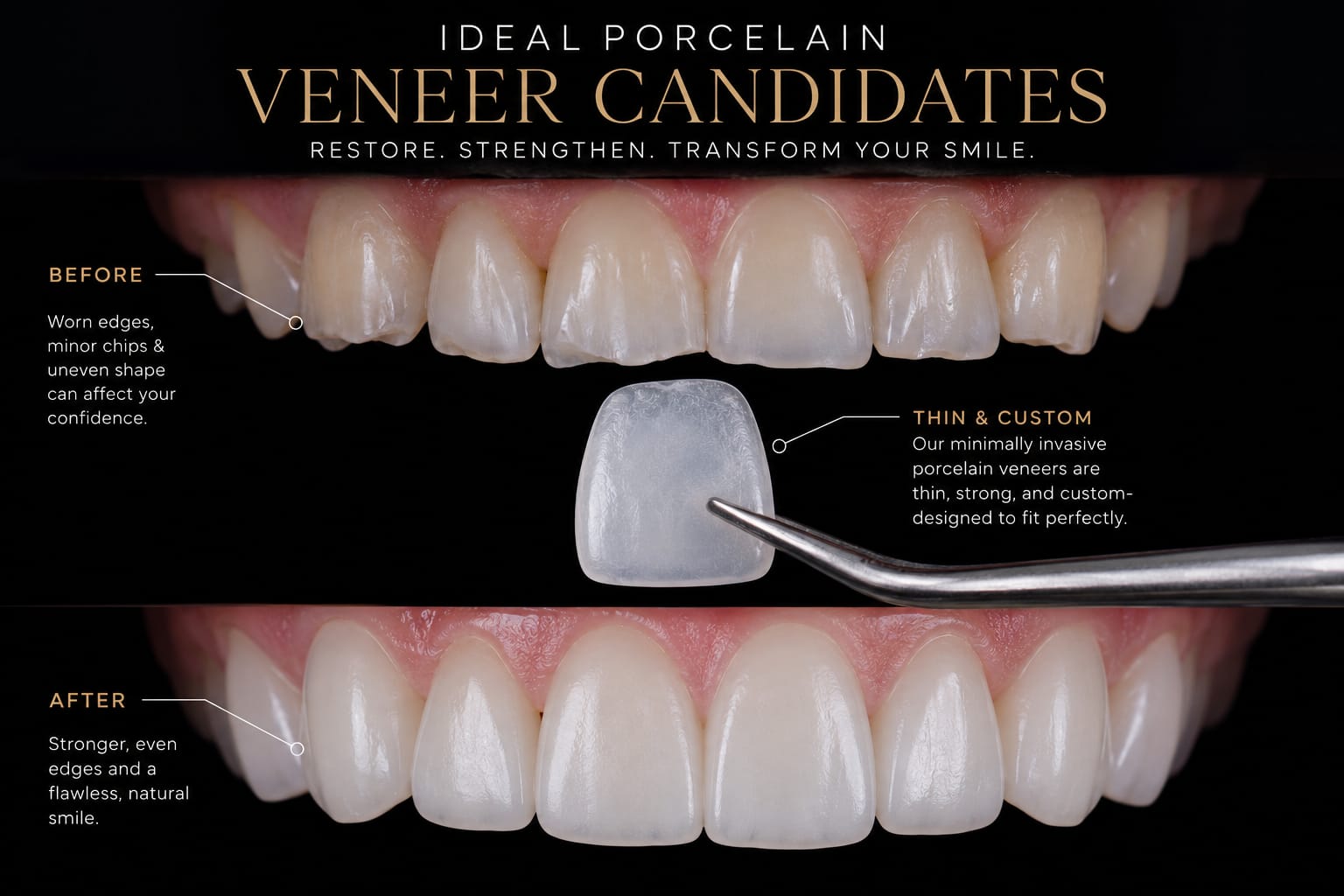
Porcelain Veneers
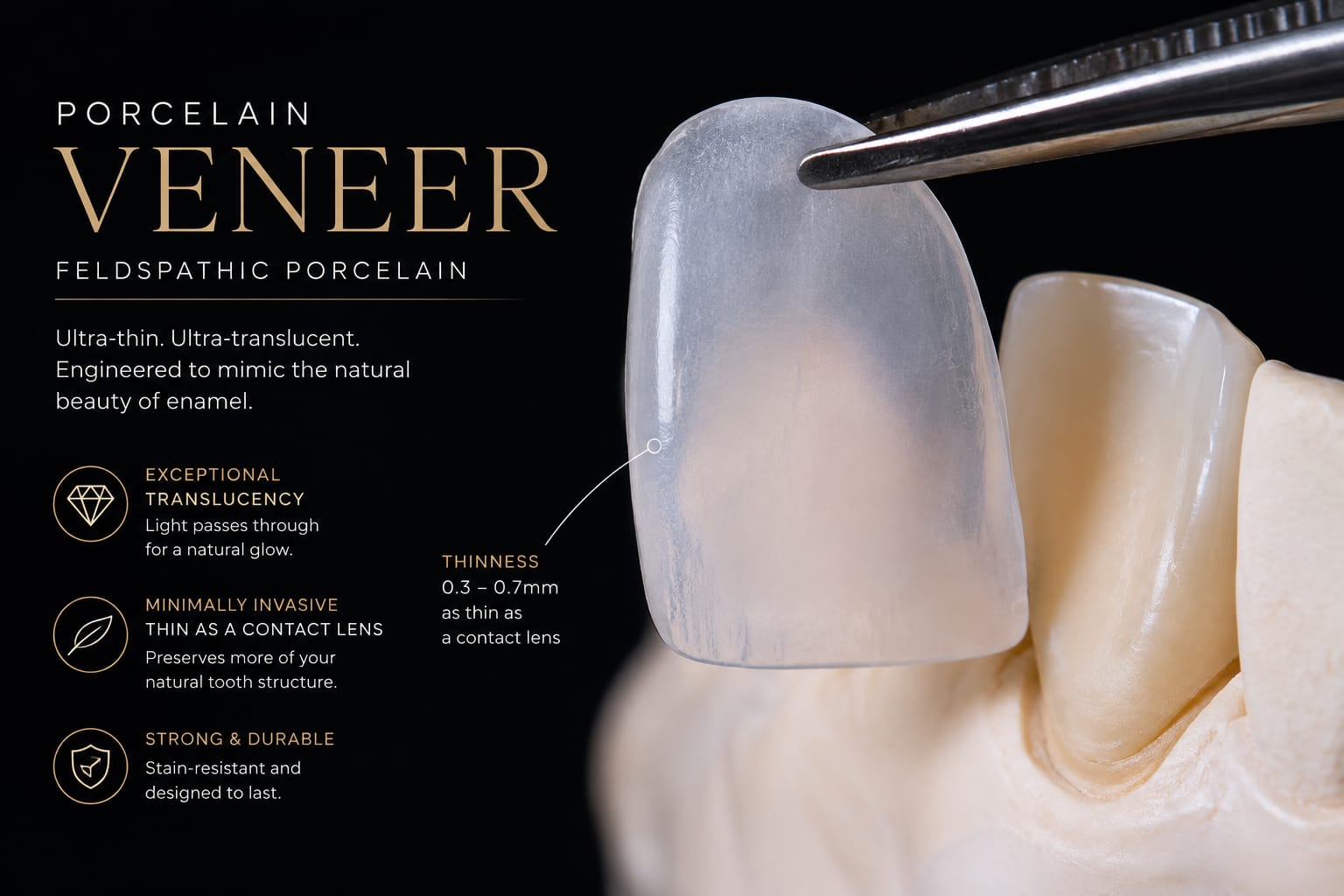
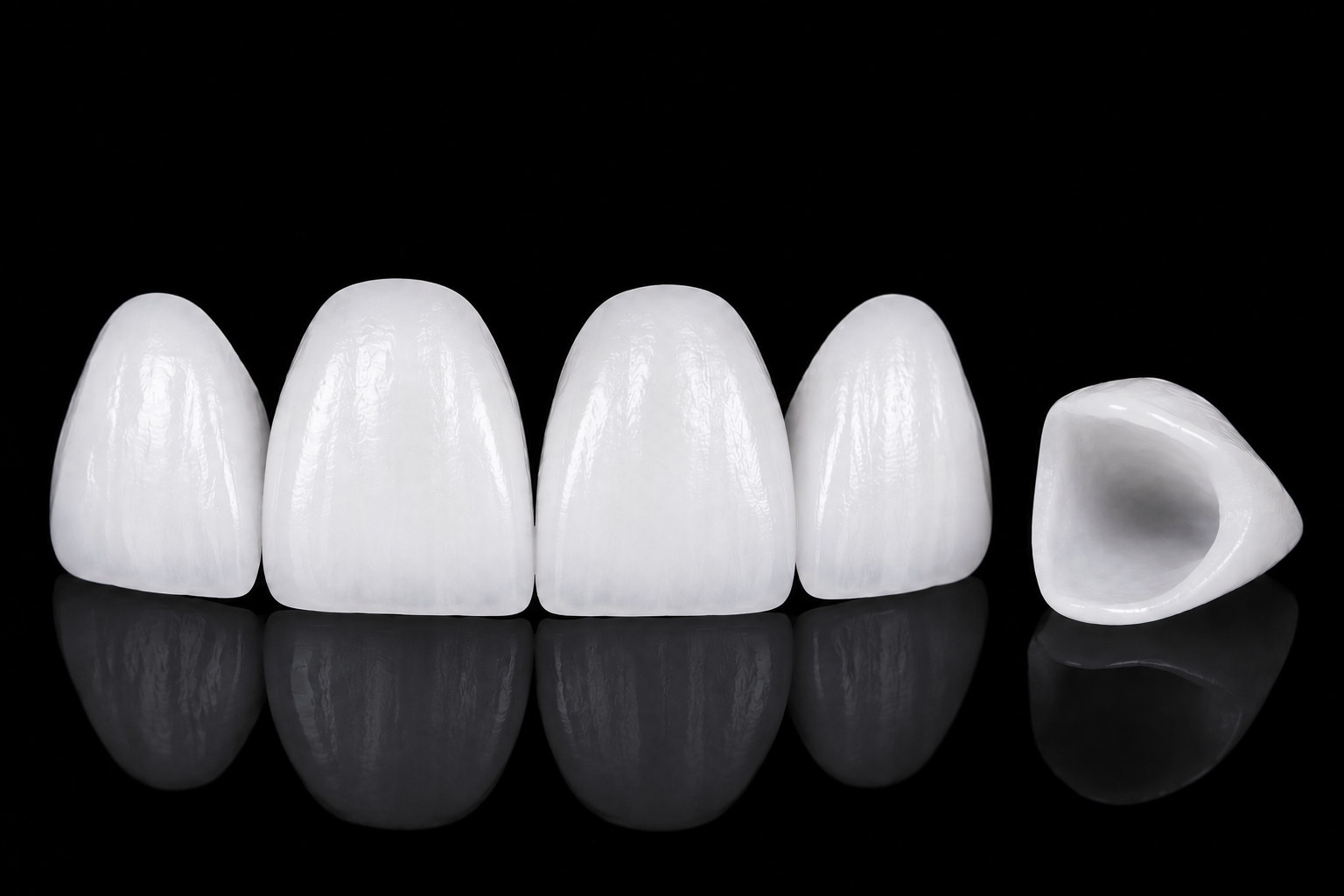
Custom-designed ceramic veneers can improve tooth color, proportions, worn edges, spacing, and smile symmetry while maintaining a natural appearance.
Explore porcelain veneers →No-Prep & Minimal-Prep Veneers
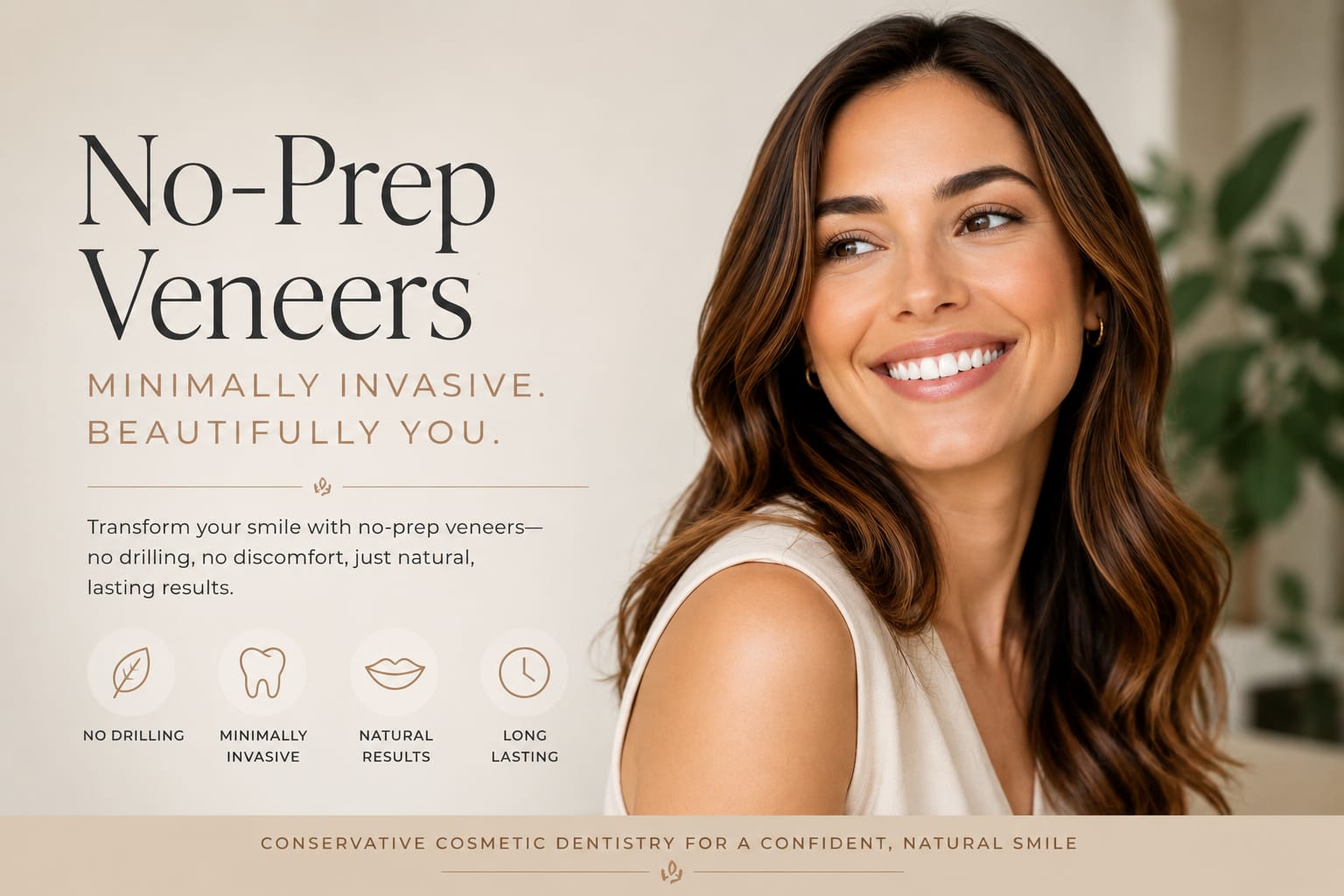
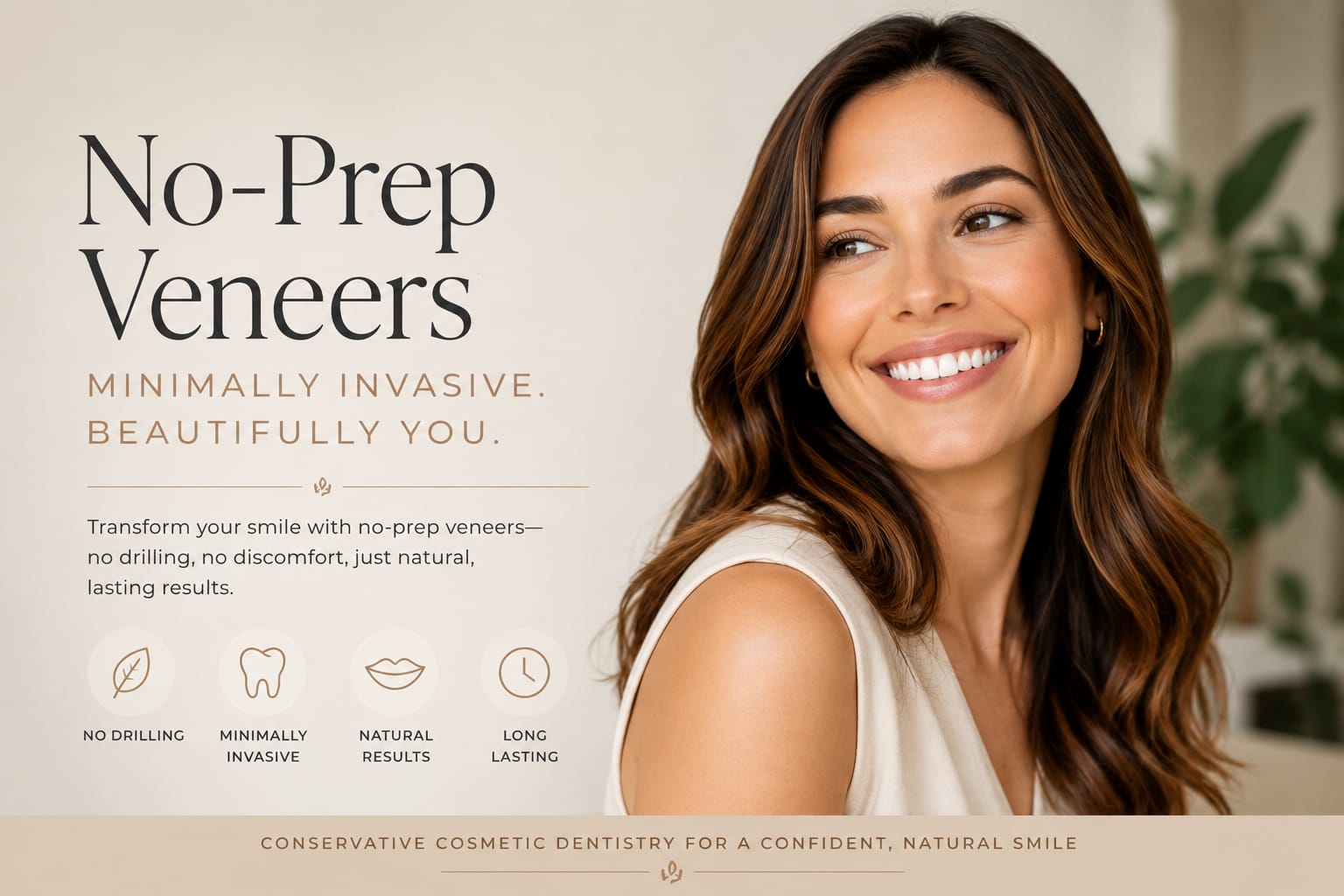
Conservative veneer options designed to preserve as much healthy enamel as clinically appropriate.
Learn about no-prep veneers →Digital Smile Design
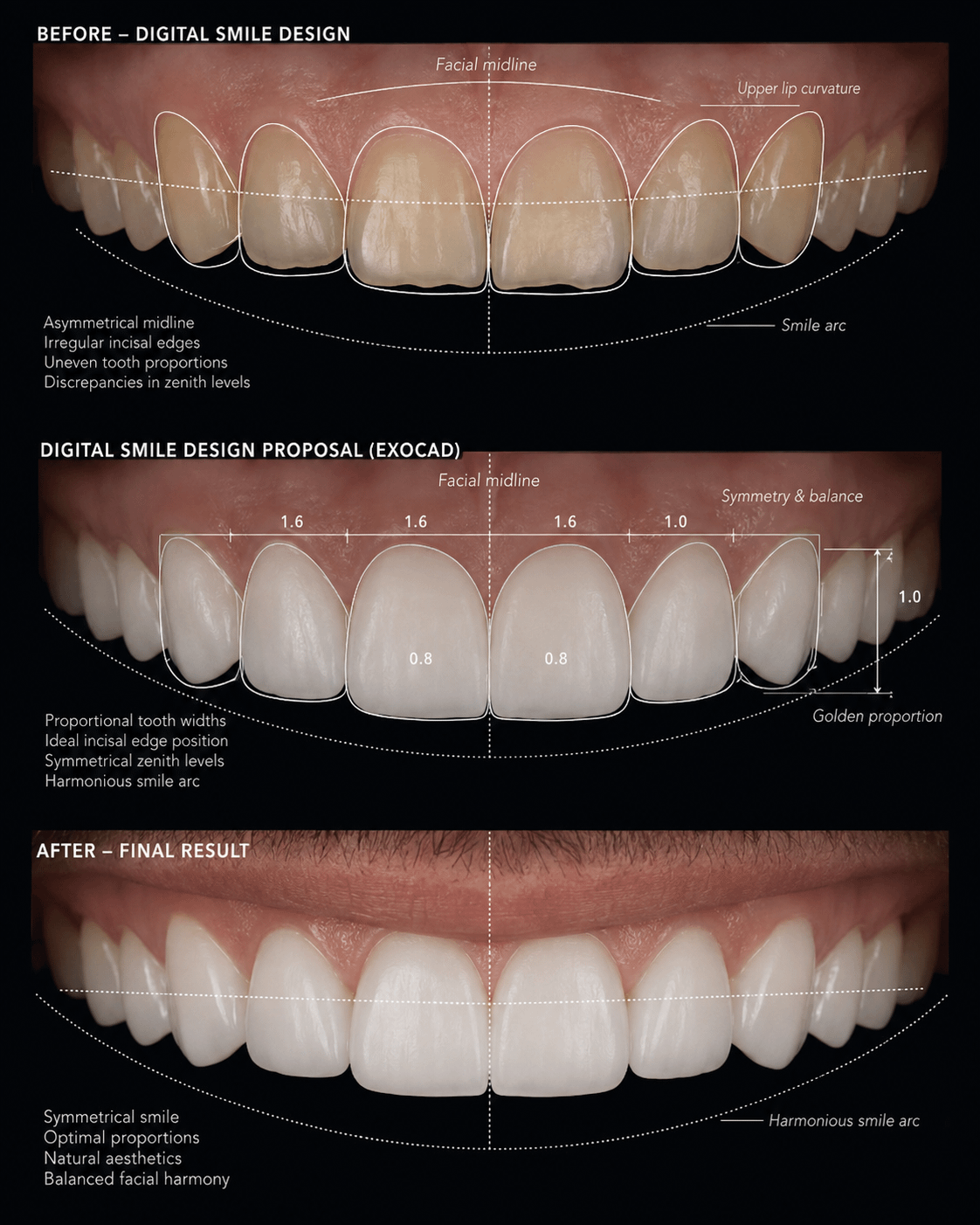
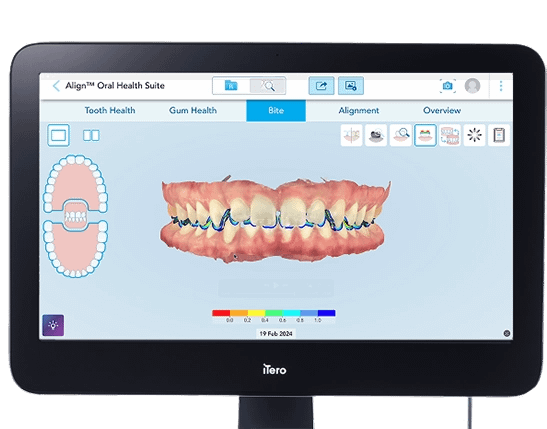
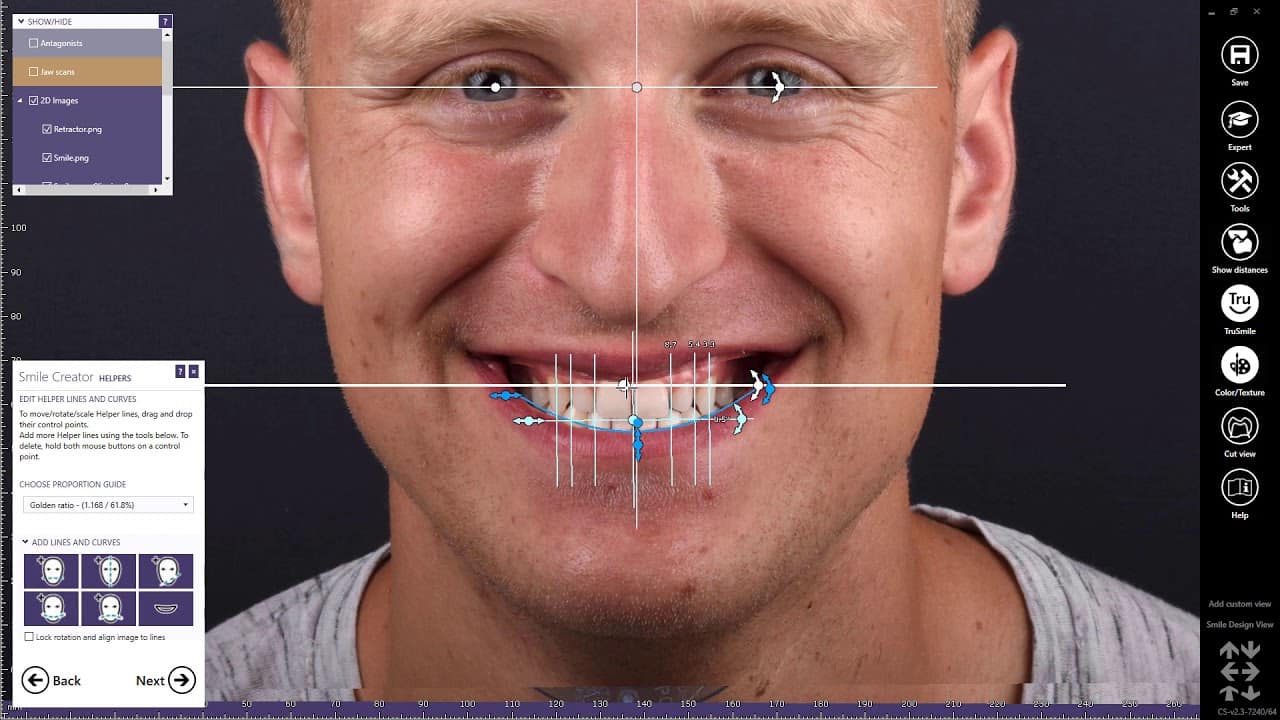
Digital photography, scanning, and 3D planning help you understand the proposed design before final treatment begins.
Explore digital smile technology →Invisalign
Clear aligners can improve tooth position, spacing, crowding, and bite alignment without traditional metal braces.
Request an Invisalign consultation →Professional Whitening
Brighten natural teeth and reduce visible discoloration with a whitening plan customized to your smile.
Explore teeth whitening →Restorative Dentistry
Tooth-colored fillings, ceramic crowns, implants, and restorative treatment designed to restore strength, comfort, and appearance.
Discuss your treatment options →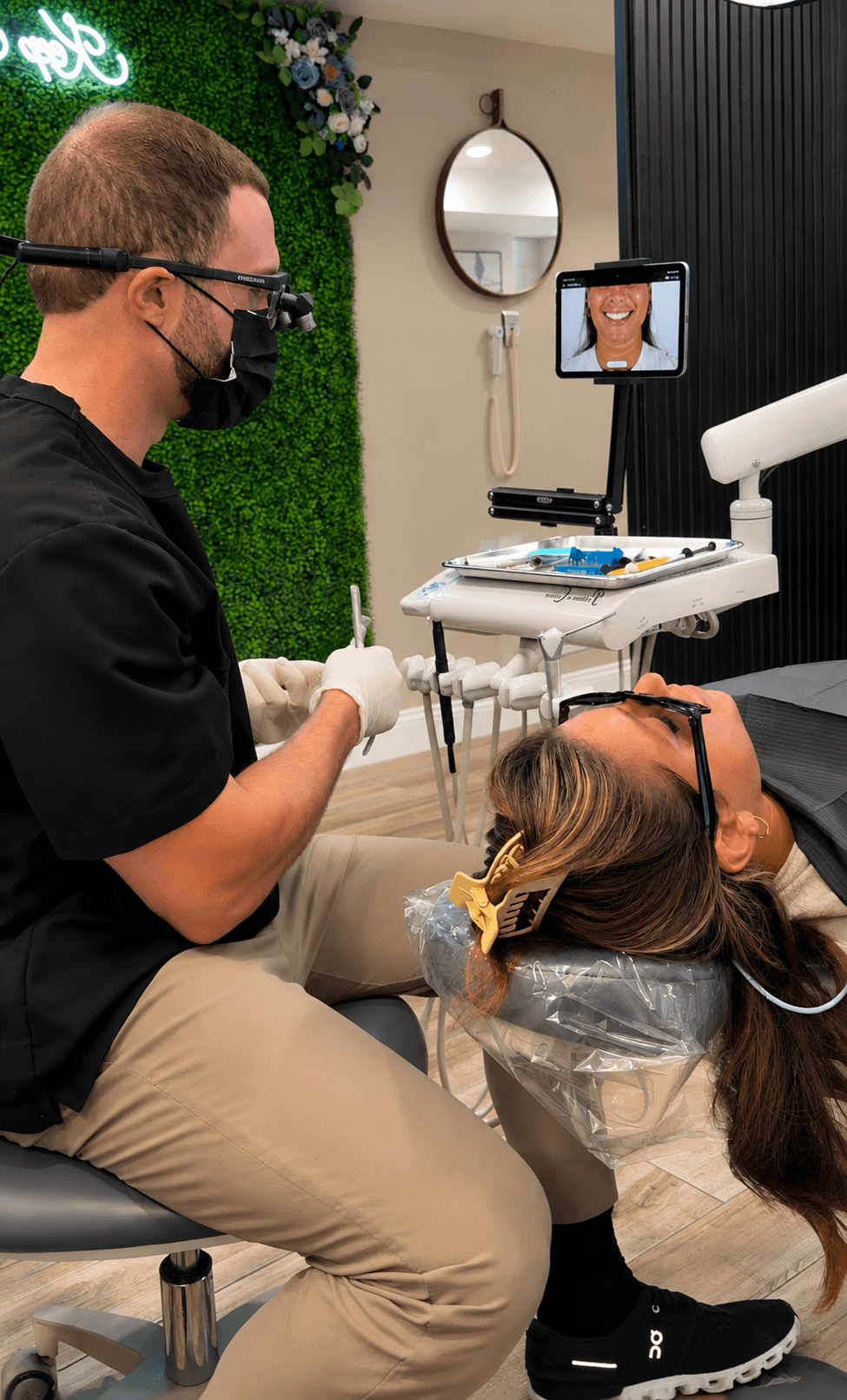
OUR PHILOSOPHY
The Best Cosmetic Dentistry Should Be Difficult to Detect
A beautiful result should look harmonious with your face—not overly bright, bulky, or artificial.
Tooth length, width, texture, translucency, lip movement, gum levels, facial proportions, and bite all influence how a finished smile looks and functions.
Our approach prioritizes careful diagnosis, patient communication, enamel preservation, and individualized design. You remain involved throughout the planning process so the final result reflects your preferences rather than a predetermined template.
- Facially driven smile planning
- Natural-looking ceramic materials
- Conservative preparation whenever appropriate
- Detailed clinical photography and digital scans
- Prototype or smile preview for applicable cases
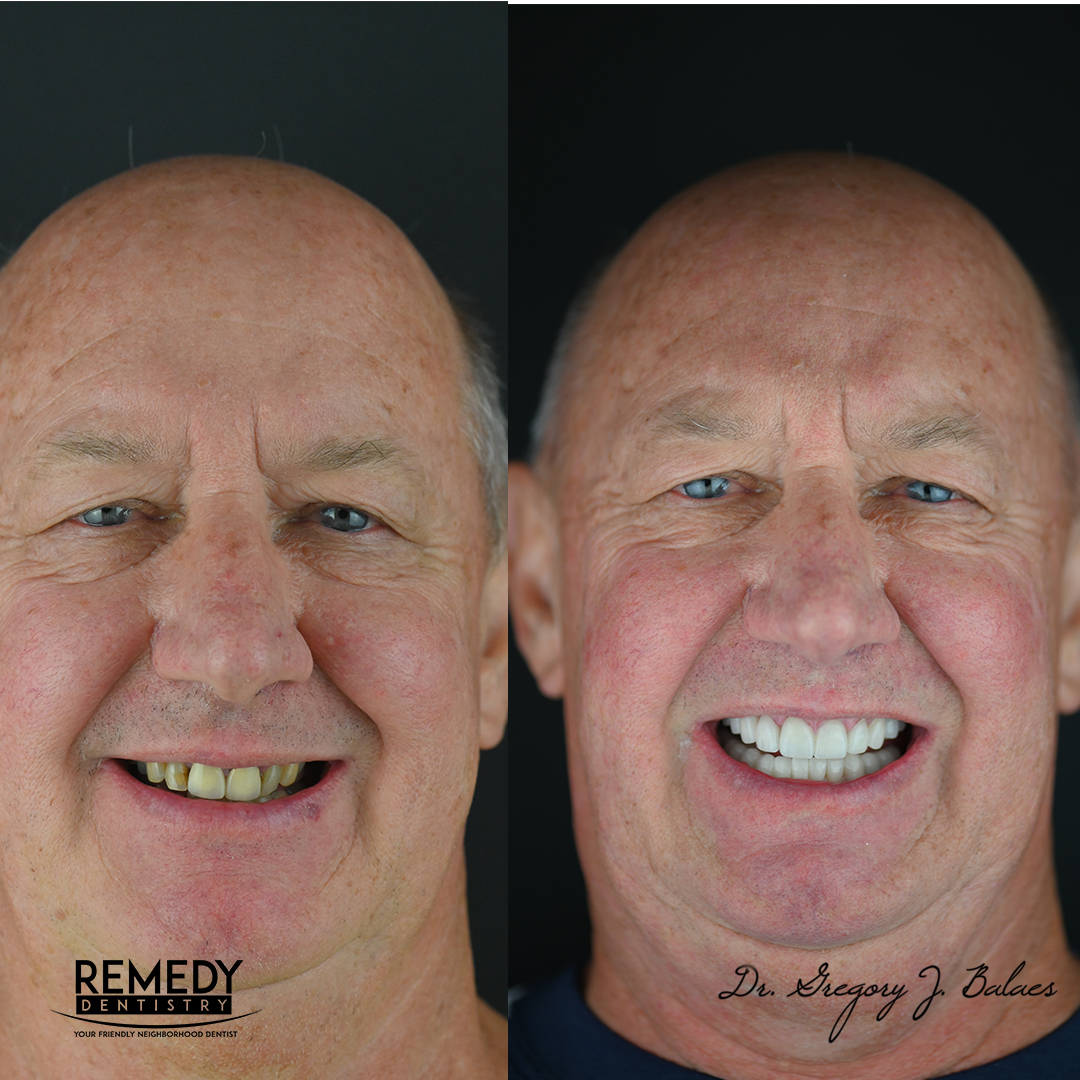
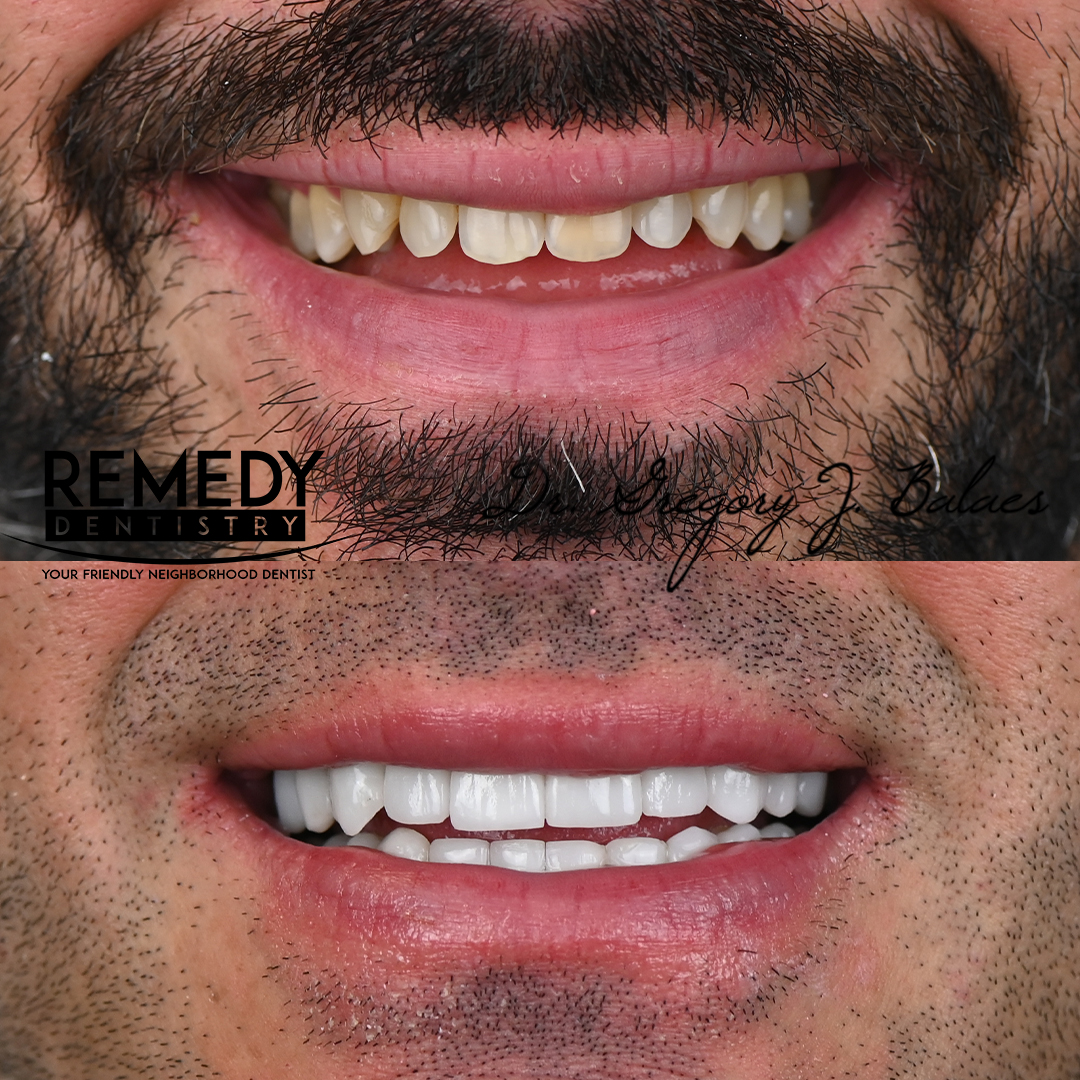
REAL SMILE TRANSFORMATIONS
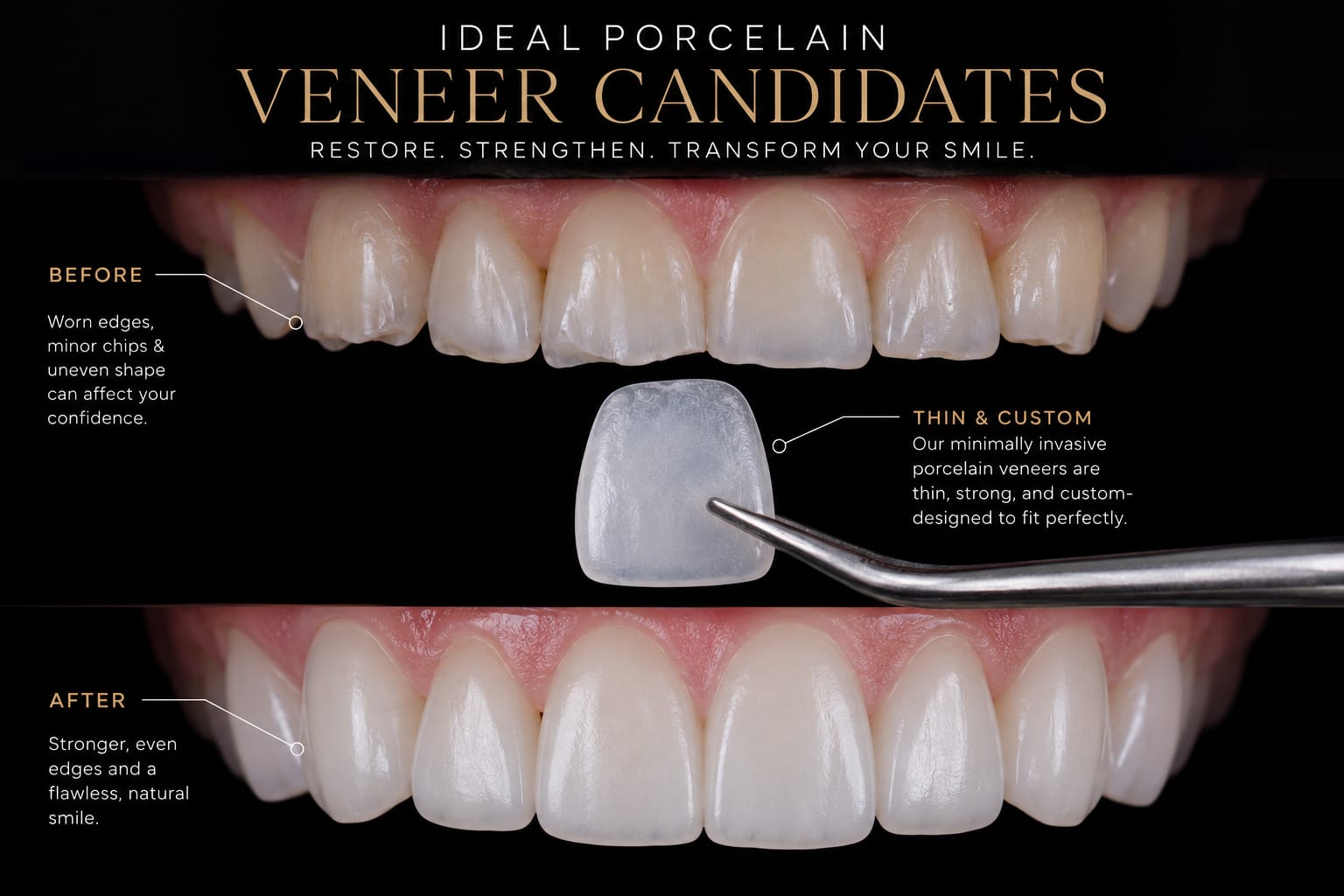
Results Designed to Look Natural
Every treatment plan is based on the patient’s starting point, facial features, goals, and dental health.
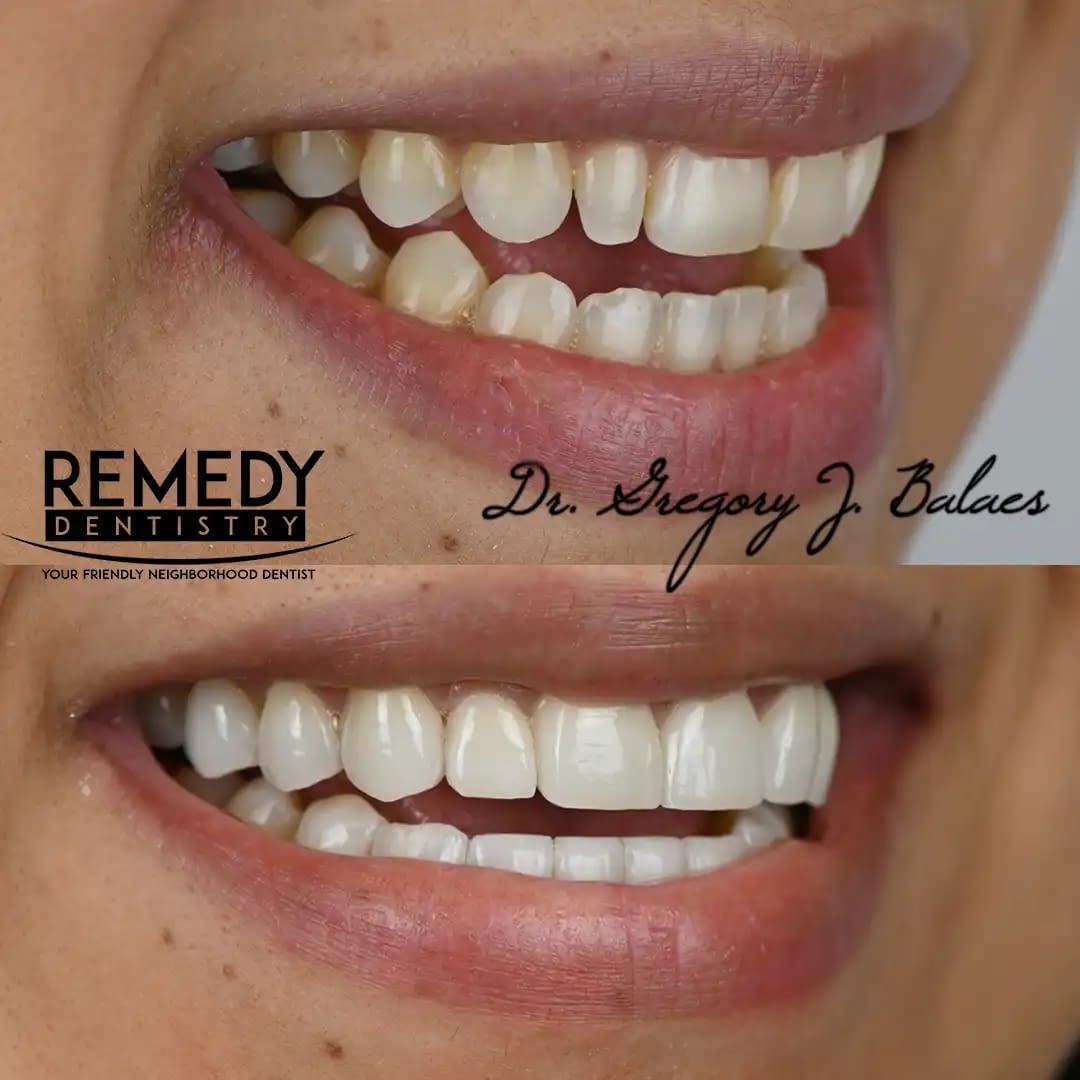
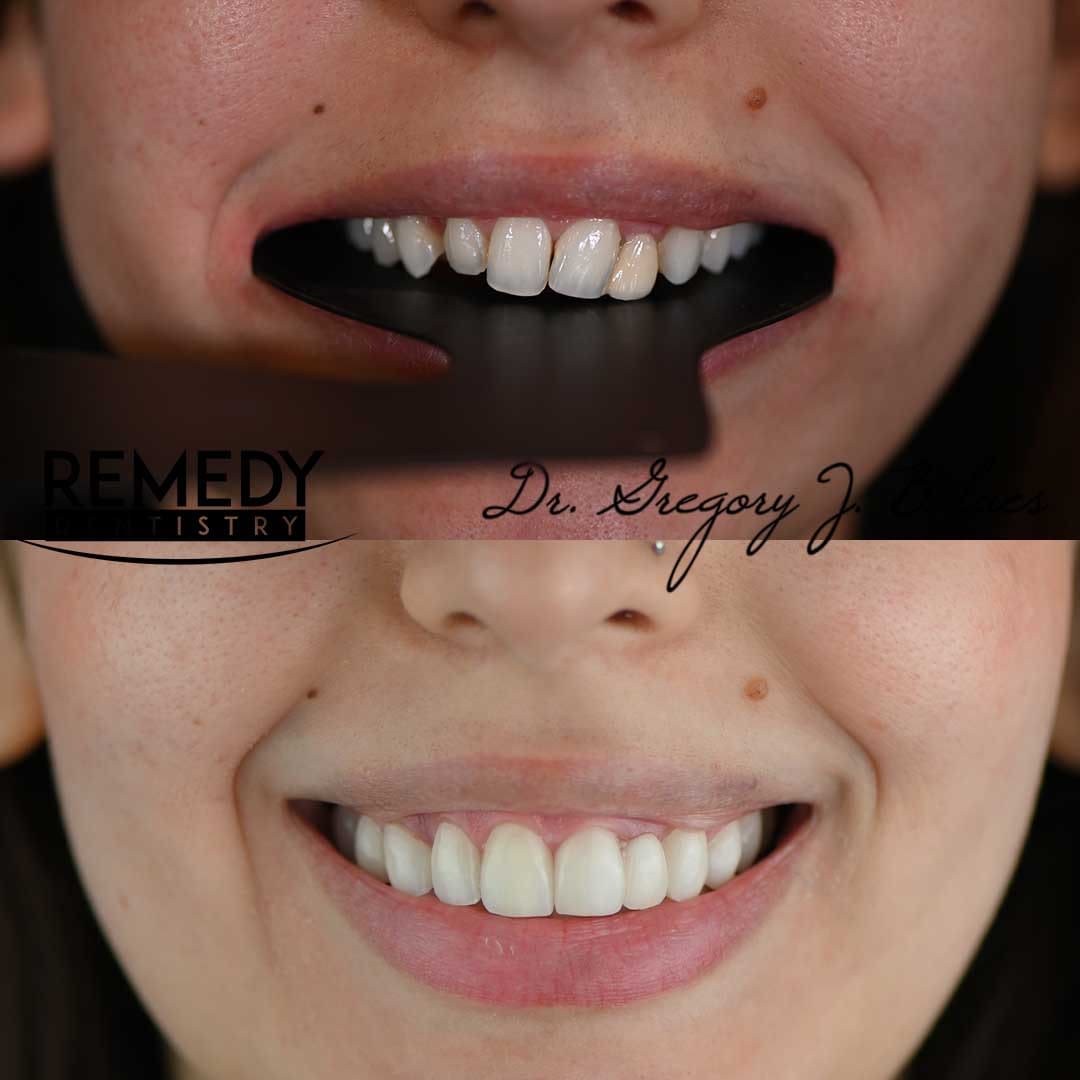
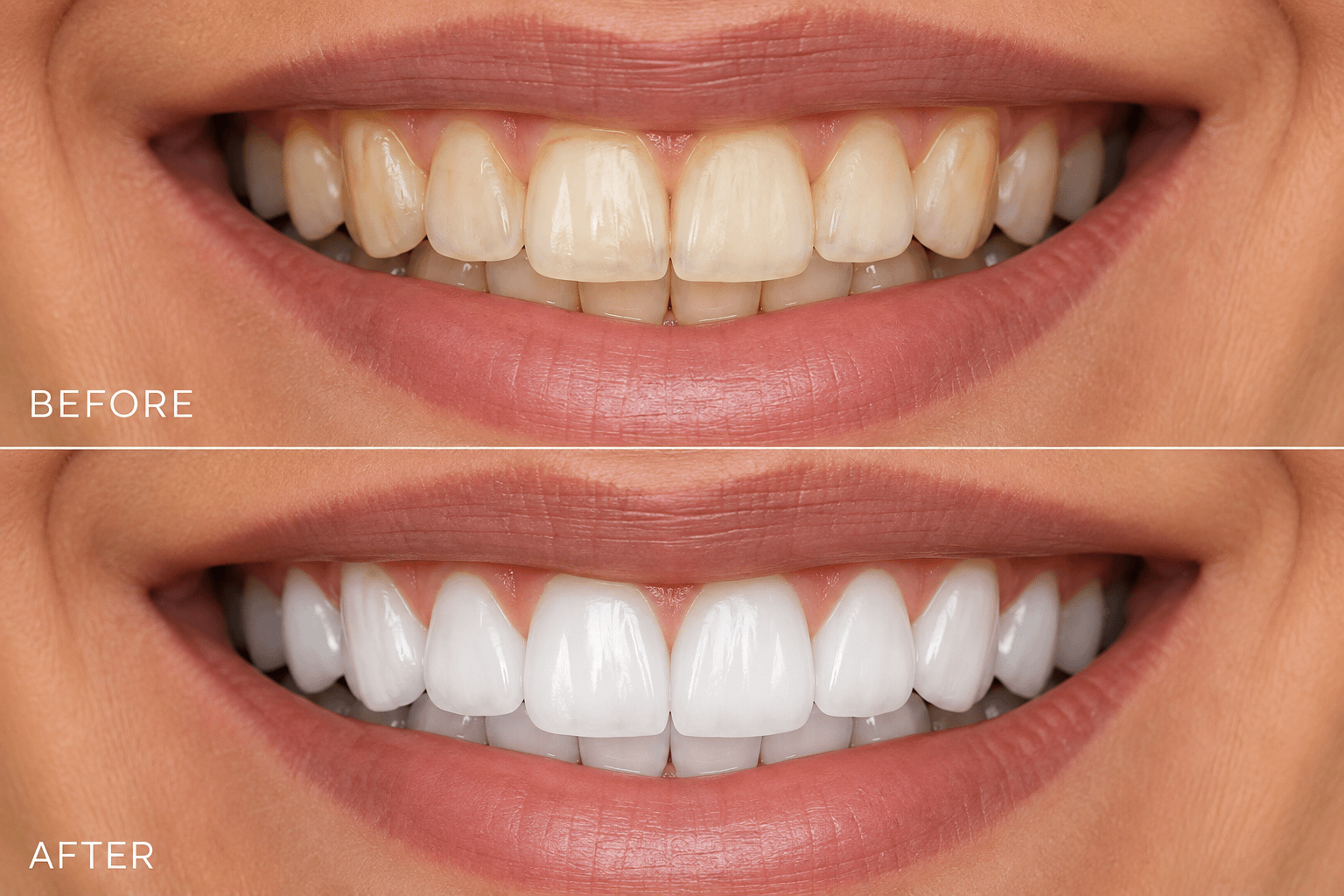
Individual results vary. A consultation and clinical examination are required to determine appropriate treatment.
YOUR SMILE JOURNEY
A More Thoughtful Way to Plan Cosmetic Dentistry
Listen
We discuss what you like, what you would like to change, and what type of result feels natural to you.
Analyze
Your teeth, gums, bite, facial proportions, photographs, and digital scans are carefully evaluated.
Design
A personalized smile is planned using tooth proportions, lip position, facial harmony, and your desired outcome.
Preview
When appropriate, a digital design or physical prototype helps you visualize and evaluate the proposed result.
Create
Treatment is completed with close attention to isolation, bonding, fit, function, ceramic detail, and long-term maintenance.
ADVANCED DENTAL TECHNOLOGY
Precision You Can See Before Treatment Begins
Digital technology helps us document your starting point, evaluate your bite, communicate proposed changes, and collaborate more effectively throughout treatment.
MEET YOUR DENTIST
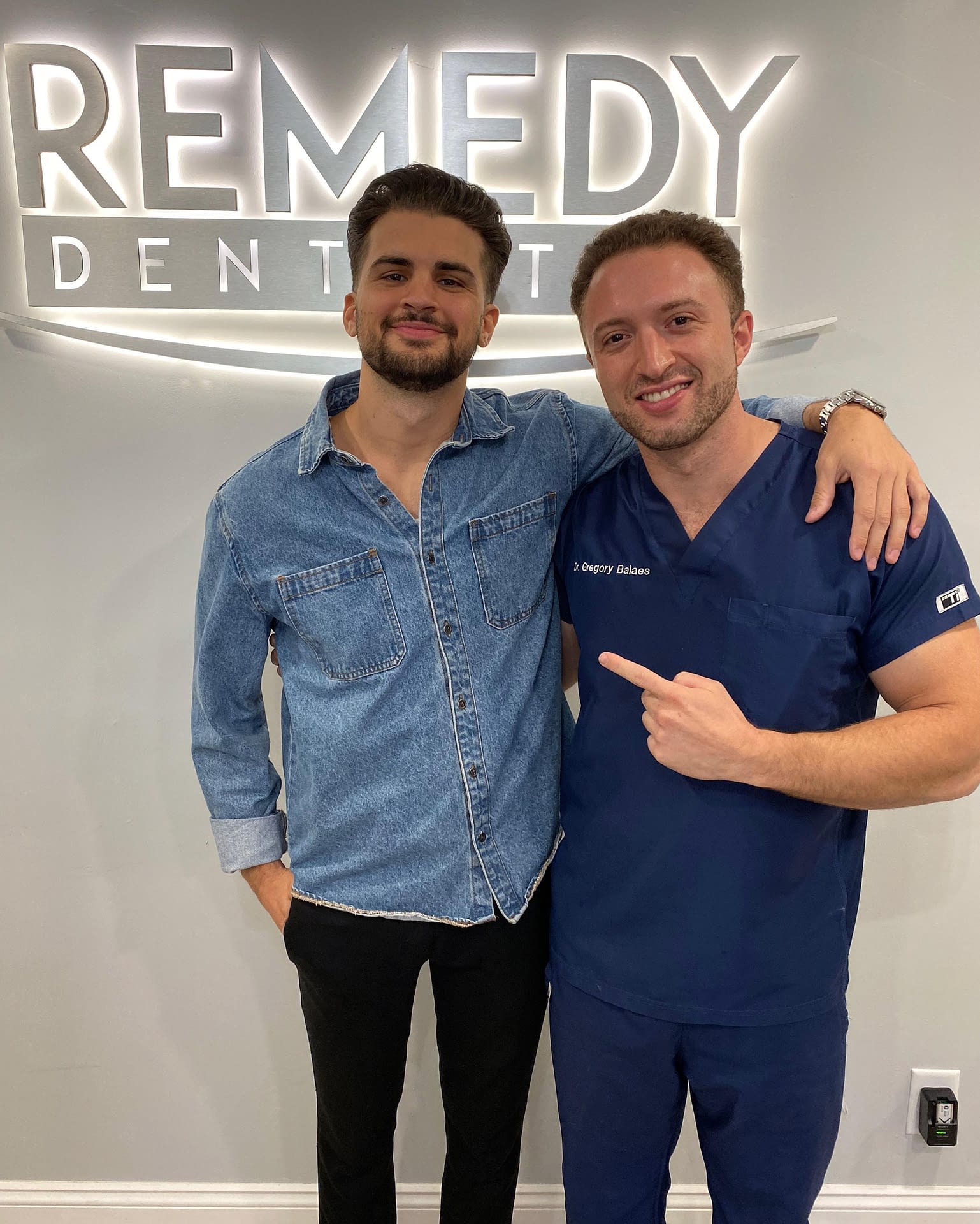
Dr. Gregory J. Balaes
Cosmetic and restorative dentist focused on personalized, natural-looking dental care.
Dr. Balaes created Remedy Dentistry to provide an experience centered on careful planning, modern technology, patient education, and individualized treatment.
Rather than beginning with a procedure, each case begins with a conversation. The objective is to identify the most appropriate way to improve your smile while respecting your long-term oral health.
“The goal is not to create the same smile for everyone. It is to create a smile that feels natural for the person wearing it.”
PATIENT EXPERIENCES
What Our Patients Say
Replace the sample text below with verified reviews copied exactly from your Google Business Profile.
“Dr Balaes brought back my daughter’s confidence and smile. After breaking her front tooth at a young age, it had been bonded a few times, never looked natural color wise or shape. Her smile faded away. After getting her veneer done, she’s smiling all the time and so happy. The staff is great, very accommodating, office is clean and comfortable. I’m so happy we were recommended to Remedy Dentistry, thank you for taking great care of my daughter and making her smile shine. ❤️ ”
Jamie Chay Verified Google Review
“Dr. Balaes is absolutely amazing and his whole team and remedy! He is so patient, compassionate, and truly great at what he does. He makes every visit comfortable and stress free, explains everything clearly, and works so quickly without ever making you feel rushed. You can tell he genuinely cares about his patients, which makes such a difference. I couldn’t recommend him enough.❤️”
Ariana S Verified Google Review
“Always a great experience here, I had a top row of bonding done and it looks so amazing and perfect, they did it within 2 hours, kept me smiling and laughing throughout so I wouldn’t be nervous. Now I’m wedding ready!!! 10/10 will always go here.❤️”
Marina Lipsman Verified Google Review
YOUR FIRST VISIT
Start With a Conversation, Not a Commitment
Your consultation is an opportunity to discuss your concerns, explore possible treatment options, and understand what may be involved before making a decision.
- Discuss what you would like to improve
- Review your dental and oral-health needs
- Explore conservative and comprehensive options
- Understand the anticipated treatment sequence
- Receive a personalized plan when appropriate
932 Woodrow Road
Staten Island, NY 10312
(718) 747-8711 smile@remedydentistry.com
Monday: 11:00 AM–7:00 PM
Tuesday: 9:00 AM–5:00 PM
Wednesday: 9:00 AM–5:00 PM
Thursday: 9:00 AM–5:00 PM
FREQUENTLY ASKED QUESTIONS
Planning Your Visit to Remedy Dentistry
What cosmetic dental treatments do you offer?
Remedy Dentistry offers cosmetic and restorative options including porcelain veneers, minimally invasive and no-prep veneers, Invisalign, professional whitening, cosmetic bonding, ceramic crowns, implants, and comprehensive smile-design treatment.
Can I preview my smile before getting veneers?
Depending on your case, digital smile planning, a diagnostic design, or a physical prototype may be used to help you understand the proposed tooth shape and proportions before final treatment.
Do all veneers require shaving the teeth?
No. Some patients may qualify for no-prep or minimal-prep veneers, while others require selective preparation to create proper space, contours, and esthetics. A clinical examination is necessary to determine the appropriate approach.
How do you make veneers look natural?
Natural-looking veneers require individualized planning of tooth proportions, shape, shade, surface texture, translucency, gumline, smile arc, lip movement, and facial harmony.
How many veneers will I need?
The number depends on how many teeth show when you smile, which teeth require treatment, your smile width, and your desired result. Some patients treat only a few teeth, while others benefit from a broader smile design.
Does Remedy Dentistry provide general dental care?
Yes. Preventive cleanings, examinations, tooth-colored restorations, ceramic crowns, implant-related care, and other restorative treatments are available in addition to cosmetic dentistry.
Where is Remedy Dentistry located?
Remedy Dentistry is located at 932 Woodrow Road in Staten Island, New York. Call (718) 747-8711 or use the online scheduling link to request an appointment.
A MORE CONFIDENT SMILE STARTS HERE
Let’s Design a Smile That Feels Like You
Schedule a cosmetic dentistry consultation at Remedy Dentistry in Staten Island and discover which treatment options may be right for your smile.
932 Woodrow Road · Staten Island, NY 10312Comprehensive Cosmetic Dental Care in Staten Island, NY!
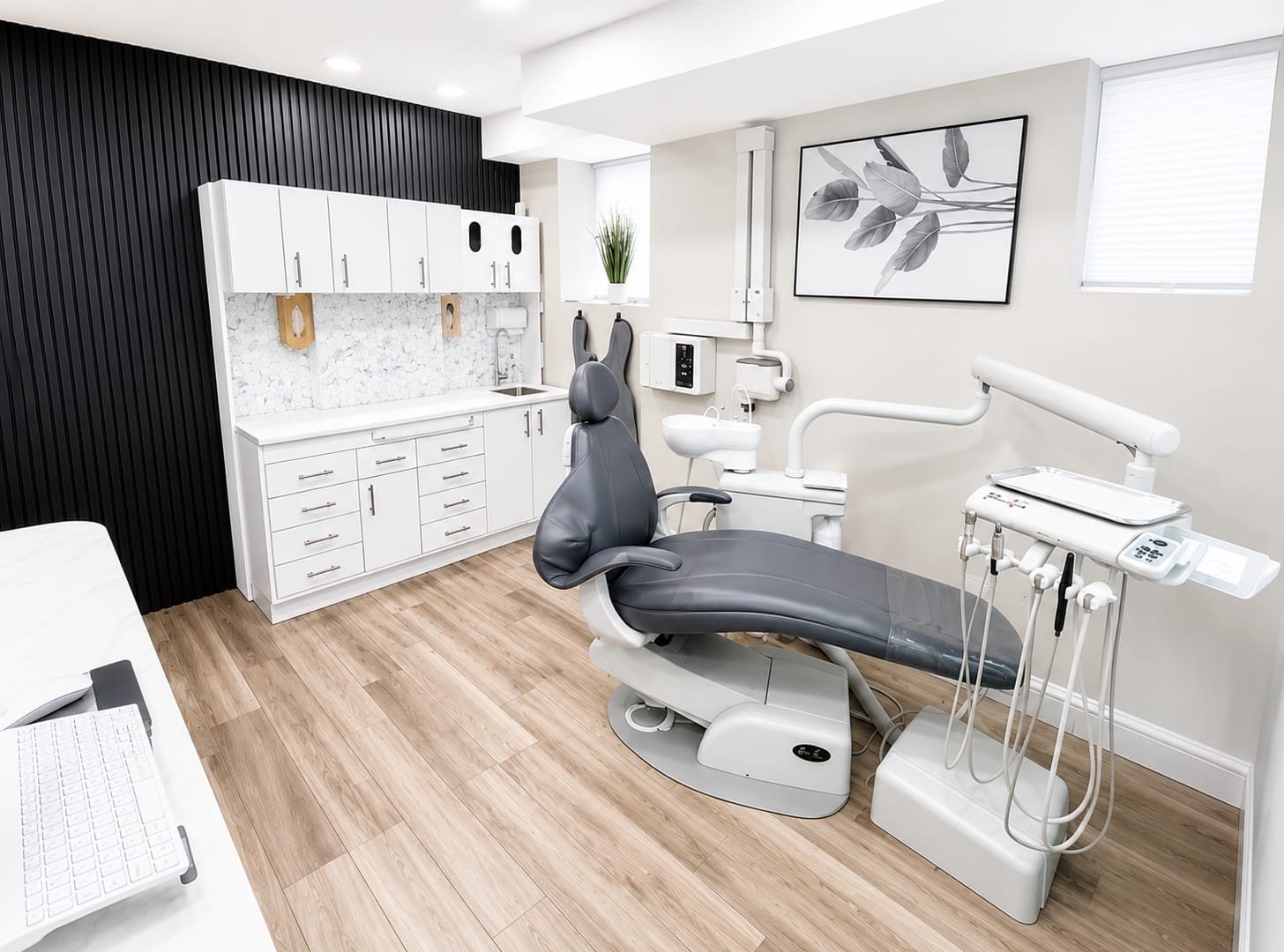
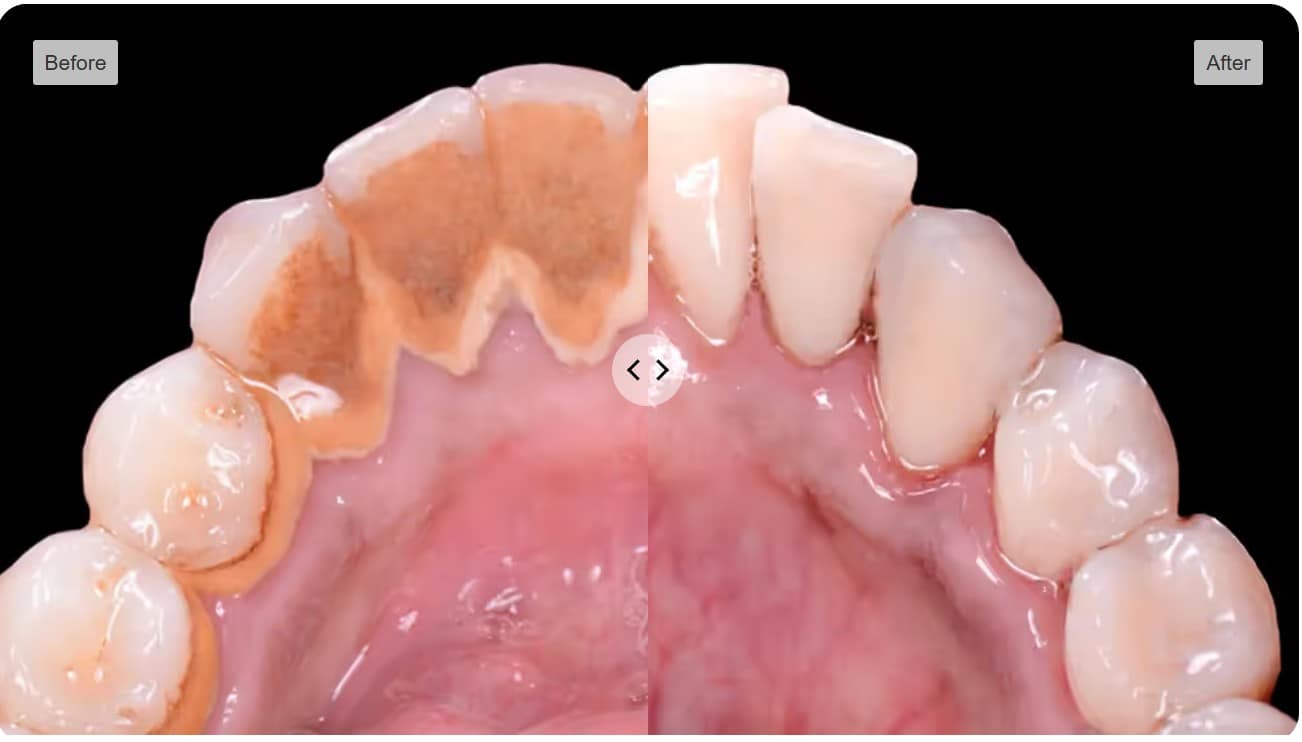
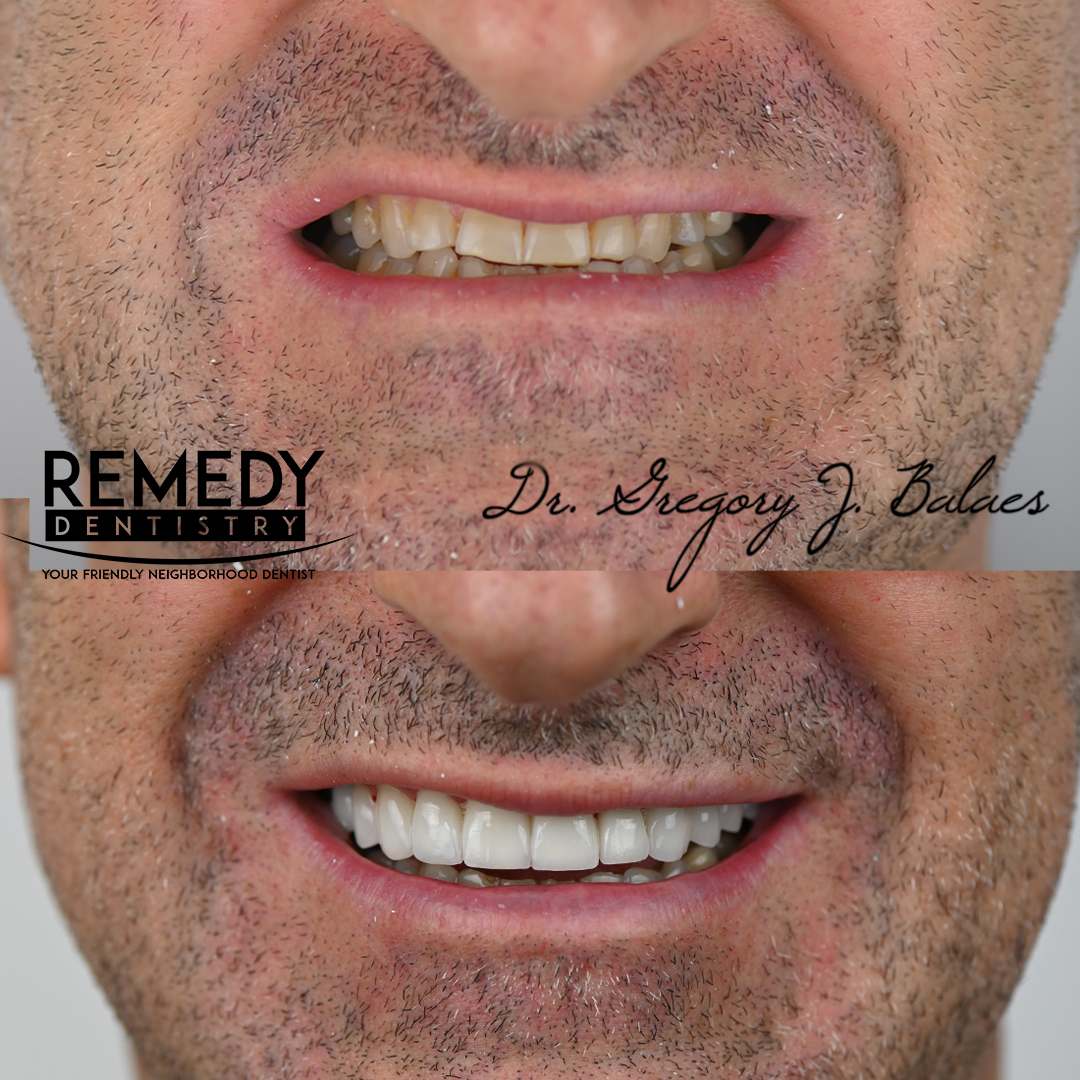
High Quality & Natural Appearance
Custom Designs & 3D Previews