
Arestin® Treatment for Gum Disease: How It Works and Why Bleeding Gums Matter
How does Arestin help treat gum disease?
Arestin at Remedy Dentistry is an additional treatment for selected periodontal pockets in patients receiving scaling and root planing. Placement generally takes a few minutes, with follow-up needed to assess healing. The treatment uses locally delivered minocycline microspheres that release antibiotic at the affected gum sites over time.
Questions patients ask
Do bleeding gums mean I need Arestin?
Not automatically. Bleeding calls for a gum evaluation, but Arestin is used selectively as an adjunct to scaling and root planing for periodontitis. Dr. Balaes reviews pocket measurements, your response to treatment, medical history, and medication allergies before recommending it.
How long does Arestin treatment take at Remedy Dentistry?
Placing the medication generally takes only a few minutes; the manufacturer reports one to two minutes in most cases. This is additional to the time needed for scaling and root planing. Treatment may be placed at that appointment or a follow-up, with later measurements to assess healing.
How much does Arestin cost in Staten Island?
Your fee depends on the number of periodontal sites treated and the rest of your gum-care plan. Insurance coverage varies. Remedy Dentistry can explain the recommended sites, estimated charges, and any applicable benefits before placement.
How does Arestin deliver medication to my gums?
Arestin contains minocycline in tiny microspheres placed directly into selected gum pockets. The microspheres release antibiotic locally and are absorbed over time. It supports scaling and root planing rather than replacing cleaning, home care, or periodontal maintenance.
Can I floss normally after Arestin?
Follow the instructions provided for your treated sites. The manufacturer advises avoiding floss or dental picks in treated areas for 10 days and hard, crunchy, or sticky foods for one week. Your dental team can explain brushing and any additional instructions.
>What Is Arestin® Treatment?
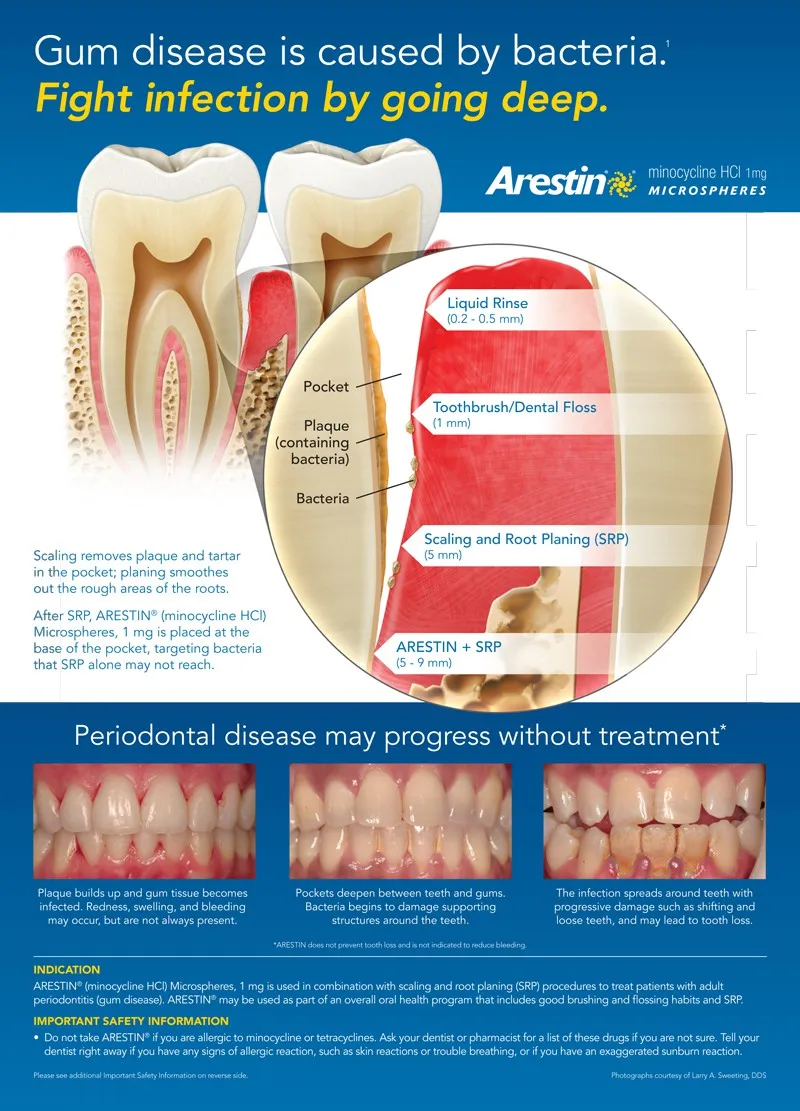
Gum disease (also called periodontal disease) is a bacterial infection that affects the gums and bone supporting your teeth. It begins when plaque and tartar accumulate below the gumline, allowing harmful bacteria to grow and inflame the gum tissue.
One of the most effective modern treatments for periodontal infections is Arestin®, a locally applied antibiotic that is used together with a deep cleaning procedure called scaling and root planing.
Instead of taking an antibiotic pill that circulates through your whole body, Arestin is placed directly into infected gum pockets where bacteria live. The medication consists of tiny antibiotic microspheres that slowly release medication over time to help eliminate bacteria and support healing.
At Remedy Dentistry, Dr. Balaes and our hygiene team use advanced periodontal therapies to help patients control gum disease and protect their long-term oral health.
Bleeding Gums Are the #1 Sign of Gum Disease
Many people think bleeding gums are normal, but they are actually the most common early warning sign of gum disease.
Healthy gums should not bleed when you brush or floss.
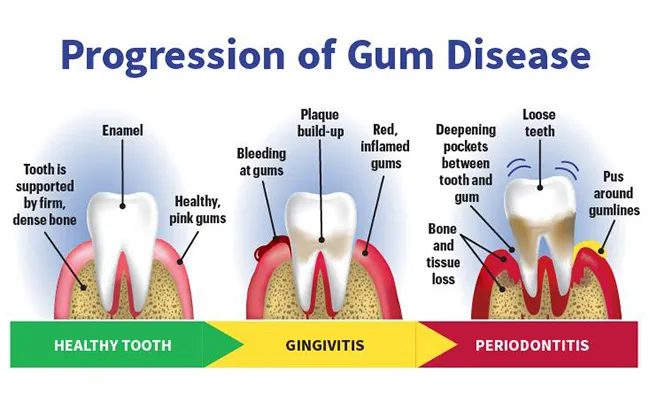
If your gums bleed during brushing, flossing, or a dental cleaning, it usually means bacteria are causing inflammation along the gumline.
Other signs of gum disease may include:
- Red or swollen gums
- Tender gum tissue
- Persistent bad breath
- Gum recession (gums pulling away from teeth)
- Deep pockets between the teeth and gums
- Loose teeth in advanced stages
Catching gum disease early allows it to be treated more effectively and can help prevent permanent damage to the bone supporting your teeth.
How Arestin Works With Deep Cleaning
Arestin is typically used together with a periodontal procedure called scaling and root planing, often referred to as a deep cleaning.
Step 1: Scaling and Root Planing
During this treatment, your hygienist carefully removes plaque and hardened tartar from beneath the gumline. The roots of the teeth are also smoothed so bacteria have a harder time reattaching.
This process helps eliminate much of the bacterial infection responsible for gum disease.
Step 2: Arestin Placement
After the deep cleaning, the medication may be placed directly into periodontal pockets around the teeth.
The antibiotic works by:
- Killing harmful bacteria in the gum pockets
- Reducing inflammation in the gum tissue
- Helping gums reattach more securely to the teeth
- Supporting the healing process
Because the medication stays directly in the pocket, it can continue fighting bacteria for days after the appointment.
Benefits of Arestin Therapy
When used with scaling and root planing, Arestin has been shown to significantly improve periodontal treatment outcomes.
Potential benefits include:
- Reduction in periodontal pocket depth
- Decreased bacterial infection
- Reduced bleeding and inflammation
- Improved gum attachment to teeth
- Slower progression of gum disease
Clinical studies have shown that combining Arestin with deep cleaning may reduce bleeding gums significantly more effectively than scaling and root planing alone.
What Patients Can Expect During Treatment
Placement is simple and quick.
During your visit:
- The hygienist completes the deep cleaning procedure
- Arestin powder is gently placed into infected gum pockets
- The medication remains in place and slowly releases antibiotic
The process usually takes only a few minutes per site and is typically very comfortable.
After treatment, patients are usually advised to:
- Avoid crunchy or sticky foods for about one week
- Follow your dental team’s brushing instructions; do not floss or use dental picks in treated areas for 10 days, as advised by the manufacturer
- Maintain regular periodontal maintenance visits
Following these instructions helps ensure the medication stays in place and works effectively.
The Importance of Periodontal Maintenance
Gum disease is a chronic condition, meaning it requires ongoing monitoring and maintenance.
At Remedy Dentistry, Dr. Balaes and our hygiene team closely track periodontal health during your routine visits. Regular cleanings, periodontal measurements, and home care guidance all help control bacterial buildup and prevent disease progression.
If bleeding gums or deeper pockets are detected, treatments like scaling and root planing with a local antibiotic may be recommended to stop the infection before it causes more serious damage.
Talk With Our Hygienist at Your Next Visit
If you have experienced bleeding gums, gum tenderness, or bad breath, it’s important to bring it up during your dental appointment. Our hygienists will evaluate your gum health and discuss whether periodontal treatments such as deep cleaning or Arestin therapy may benefit you. Early treatment can help protect your gums, prevent bone loss, and keep your natural teeth healthy for many years.
Schedule Your Appointment Today
Healthy gums are the foundation of a healthy smile. If you’ve noticed bleeding when brushing or flossing—or if it has been a while since your last periodontal evaluation—our team is here to help. Schedule your appointment today at Remedy Dentistry and let us help you restore and maintain healthy gums for life.
References
- Arestin® Official Website – About Arestin
https://www.arestin.com/about-arestin/ - Arestin® Gum Disease Education
https://www.arestin.com/gum-disease/
Find more information about dental cleanings and Guided Biofilm Therapy, or contact our Staten Island office with questions about your care.