
Clear aligner treatment · Remedy Dentistry
Invisalign® in Staten Island
Clear Aligners • Digital Planning • Personalized Care
A straighter smile starts with a thoughtful plan. Explore Invisalign clear aligners with Dr. Gregory J. Balaes at Remedy Dentistry, where tooth position, bite, and your overall smile goals guide treatment.
Whether you are considering clear aligners for crowded teeth, spaces, or teeth that shifted after braces, your first step is understanding what is appropriate for your smile.
932 Woodrow Road · Staten Island, NY 10312
The essentials
What is Invisalign?
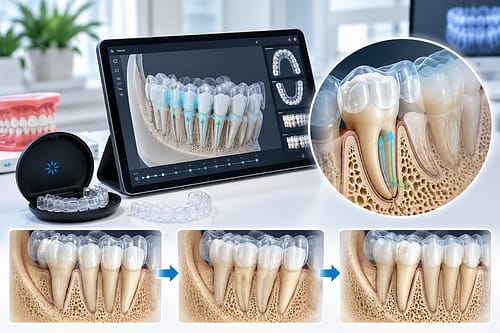
Invisalign uses a sequence of custom clear aligners to gradually reposition teeth. You remove the trays for meals and oral hygiene, then wear them according to your prescribed schedule.
Doctor-directed careExamination, digital planning, and progress checks
Daily commitmentTypically 20–22 hours of wear, as directed
A lasting routineRetainers after active treatment to maintain alignment
Remedy Dentistry provides Invisalign consultations in Staten Island with Dr. Gregory J. Balaes, DMD, a cosmetic and restorative dentist. Your treatment discussion includes your dental health, the changes you want, and whether aligners are a suitable way to achieve them.
Your teeth, your starting point
What can Invisalign help with?
Crowding and overlapping teeth
Selected crowded or rotated teeth can be repositioned with clear aligners. The amount of space needed and the health of the supporting tissues influence the plan.
Gaps and spacing
Aligners may close spaces or redistribute them before restorative care. Tooth size, missing teeth, and the cause of the spacing affect what is achievable.
Teeth that shifted after braces
If your teeth have moved since earlier orthodontic treatment, an updated evaluation can determine whether another course of aligners is appropriate.
Selected bite concerns
Some overbite, crossbite, underbite, and open-bite concerns can be treated with aligners. More complex tooth movements or jaw relationships may call for orthodontic specialist care.
Adults can be candidates for orthodontic treatment, but healthy gums and teeth matter more than age alone. Active decay, gum disease, or other dental problems may need attention first. We also discuss whether your daily routine supports consistent aligner wear.
A plan you can understand
Your Invisalign treatment at Remedy
Start with the full picture
Discuss your concerns and goals. Dr. Balaes evaluates your teeth, gums, and bite and determines which photographs, scans, and X-rays are needed before planning tooth movement.
See the proposed direction
Remedy’s iTero digital scanning captures the visible surfaces of your teeth and bite. A digital plan helps explain proposed changes; it is a simulation, not a guarantee of the final result.
Move through your prescribed sequence
Learn how to insert, remove, and care for your aligners. Progress visits check fit and tooth movement. Attachments, elastics, or additional refinement aligners may be part of the plan.
Maintain the new positions
After active treatment, retainers help hold your teeth in their new positions. Your follow-up plan covers retainer wear, maintenance, and any cosmetic finishing you have chosen.
Digital scanning and CBCT are different tools. A surface scan records tooth shape; a CBCT scan uses X-rays to show three-dimensional internal anatomy. CBCT is considered only when clinically justified, not automatically for every Invisalign patient. Explore our dental technology.
Know the commitment
Invisalign cost and treatment time in Staten Island
How much will my treatment cost?
Invisalign fees depend on the complexity and extent of treatment. An individualized estimate is more useful than a starting price that leaves out important parts of care.
At your consultation, ask what is included:
- Diagnostic records and aligner treatment
- Progress visits and the policy for refinement aligners
- Retainers and replacement fees
- Any separate dental treatment needed before or after alignment
Some dental plans provide orthodontic benefits. Eligibility, age limits, lifetime maximums, and your responsibility depend on the policy; our team can help you understand the estimate and applicable benefits.
How long will Invisalign take?
Invisalign reports an average of 12–18 months in its referenced treatment data. Your own course may be shorter or longer, depending on the movements needed and how your teeth respond.
Consistent wear, attending progress visits, and addressing fit issues promptly all matter. Additional aligners may be needed to refine the result.
Have a wedding or another deadline? Mention the date at your consultation. We can discuss realistic options without promising that a particular result will be finished by an event.
Read Invisalign’s cost guidance →Position first. Finishing details next.
Should Invisalign come before bonding or veneers?
Sometimes a smile concern involves both tooth position and tooth shape. Straightening suitable teeth first may create a better foundation for conservative cosmetic work. Other patients may be happy with alignment alone.
For example, aligners may improve how teeth line up, while composite bonding can refine selected chipped or uneven edges afterward. Porcelain veneers may be considered when changes to shape, color, or surface appearance remain part of your goals.
Your consultation separates what alignment can change from what may require restorative treatment. The goal is to preserve healthy tooth structure while choosing an appropriate sequence of care.
Learn about 3D planning and the trial smile →Compare the approaches
Invisalign, braces, and cosmetic dentistry
| Option | What it changes | What to consider |
|---|---|---|
| Invisalign | Tooth position and selected bite relationships | Removable trays require consistent daily wear and clinical monitoring |
| Braces | Tooth position and bite relationships | Fixed appliances may be appropriate for movements that need a different approach |
| Bonding or veneers | Tooth shape, visible surfaces, and appearance | They do not move tooth roots or replace orthodontic bite correction |
The right choice is based on diagnosis and your preferences. Read our Invisalign vs. braces guide for more context, then discuss your individual options with Dr. Balaes.
Everyday life with aligners
What patients should know before starting
- Aligners need time on your teeth. Wearing them only at night is generally not enough for active treatment.
- Plan for meals and cleaning. Remove trays for eating and for drinks other than plain water. Clean your teeth before reinserting them and follow the recommended tray-cleaning routine.
- Attachments may be visible. Small tooth-colored shapes can help control movement; clear aligners are discreet, not completely invisible.
- Your bite matters throughout. Report an aligner that is not seating properly, a lost tray, or persistent discomfort so your team can advise you.
- Retention is part of the result. Long-term retainer wear helps maintain the positions achieved.
Continue your recommended dental cleanings and examinations during treatment. Removable trays make hygiene accessible, but they do not replace it.
Questions patients ask
Invisalign FAQs
How much does Invisalign cost in Staten Island?
Your fee depends on the complexity of your tooth movements, treatment length, and what is included in the plan. At your Remedy Dentistry consultation, ask for a written estimate covering aligners, monitoring, any refinement policy, and retainers. Insurance benefits and out-of-pocket costs are specific to your plan.
How long does Invisalign treatment take?
Invisalign cites an average of 12–18 months in its referenced treatment data, but your timeline may be shorter or longer. The movements required, bite correction, aligner wear, and any additional refinement aligners affect the schedule. A digital preview cannot guarantee a completion date.
How many hours a day do I wear the aligners?
Invisalign aligners are generally worn 20–22 hours per day, including during sleep, as directed by your dentist. Remove them for meals, drinks other than plain water, and brushing and flossing. Change to the next set only on your prescribed schedule.
Can Invisalign treat crowded teeth, gaps, or bite problems?
It can address many cases of crowding, spacing, and selected bite problems. Suitability depends on the required movements, supporting bone and gums, and jaw relationships. Some conditions are better managed with braces or specialist care.
Will I need attachments or tooth reshaping?
Some plans use tooth-colored attachments to help the aligners grip teeth. Others involve elastics or interproximal reduction, which removes a carefully planned amount of enamel between selected teeth to create space. These steps are not needed in every case and should be explained before treatment.
Does Invisalign hurt or affect speech?
Pressure or soreness can occur after starting treatment or changing aligners. Some people notice a temporary change in speech while adapting. Tell your dental team about persistent pain, an aligner that does not fit, or irritation that is not settling.
Should I get Invisalign before bonding or veneers?
Sometimes. If tooth position is part of the concern, aligning the teeth first may create a more suitable foundation for conservative bonding or veneers. Invisalign changes position; bonding and veneers change tooth shape or appearance. The right sequence is individualized.
Do adults who had braces before qualify for Invisalign?
Adults with teeth that have shifted after earlier orthodontic treatment may be candidates. A new examination checks the bite, gums, teeth, and existing restorations before recommending treatment. Do not force an old retainer onto teeth that no longer fit it.
Will I need retainers after Invisalign?
Yes. Teeth can shift after active treatment. Your dentist will recommend retainers and a wear schedule to help maintain the result. Retention is an ongoing part of care, and retainers need to be checked and replaced when necessary.
Do all Invisalign patients need a CBCT scan?
No. A digital surface scan and a CBCT X-ray provide different information. CBCT is considered only when the clinical question justifies three-dimensional imaging; it is not a routine requirement for every Invisalign patient.
Where can I schedule an Invisalign consultation in Staten Island?
Contact Remedy Dentistry at 932 Woodrow Road, Staten Island, NY 10312. Call (718) 747-8711 or use the online booking link to request an appointment with Dr. Gregory J. Balaes and discuss clear aligner treatment.
Your local next step
Schedule your Staten Island Invisalign consultation
Bring your questions, your smile goals, and any timing concerns. We’ll help you understand whether clear aligners fit your needs and how treatment could work alongside your cosmetic dental plan.
Remedy Dentistry is located at 932 Woodrow Road, Staten Island, NY 10312. Our Woodrow Road office offers a local starting point for patients across Staten Island, including nearby South Shore neighborhoods.
(718) 747-8711 · smile@remedydentistry.com
Monday 11 AM–7 PM · Tuesday–Thursday 9 AM–5 PM
Meet Dr. Balaes · Explore all services
Patient education sources: American Association of Orthodontists: Clear Aligners · AAO: Clear Aligner Therapy · American Dental Association: Orthodontics · Invisalign: Treatment Questions · Invisalign: Cost · Invisalign: Retention.
General information; an examination is required to determine suitability. Treatment needs, timelines, and results vary. Invisalign and iTero are trademarks of Align Technology, Inc.