

Ideal Porcelain Veneer Candidates
July 5, 2026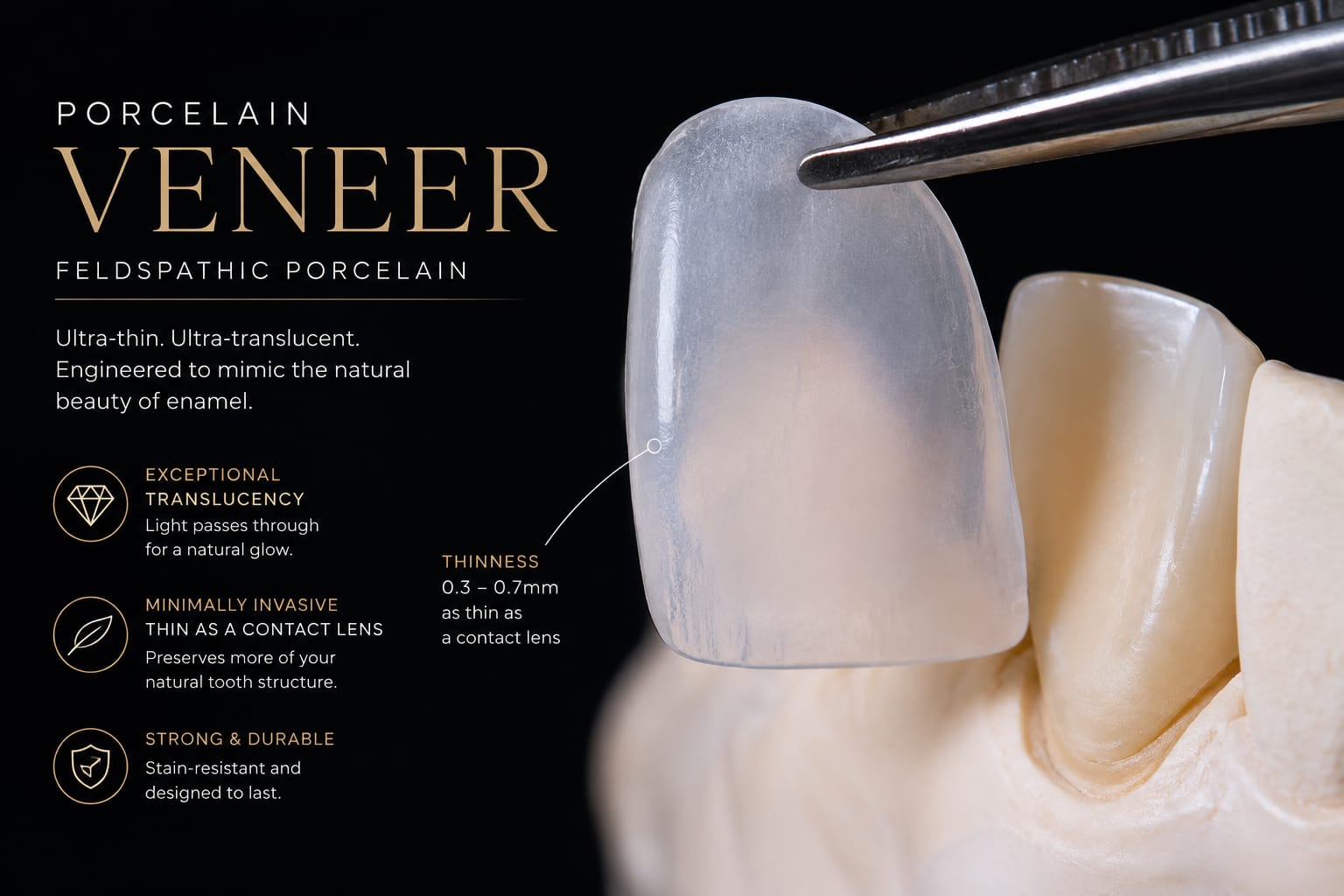
Improve the shape, color, symmetry, and proportions of your smile while preserving as much healthy enamel as possible.
Minimally invasive veneers in Staten Island offer a modern way to improve your smile without unnecessarily removing healthy tooth structure. At Remedy Dentistry, digital smile design, facial analysis, clinical photography, and advanced ceramic materials are combined to create natural-looking porcelain veneers customized to your face, lips, and cosmetic goals.
Unlike more aggressive cosmetic approaches, minimally invasive veneers prioritize conservative preparation and enamel preservation. When clinically appropriate, patients may also preview their proposed smile through digital simulations and a temporary smile prototype before the final porcelain veneers are created.
The objective is not to create an identical bright-white smile for every patient. The goal is to design a balanced smile that complements your facial features, personality, natural tooth anatomy, and bite.
Minimally invasive veneers at Remedy Dentistry in Staten Island offer a modern way to improve the color, shape, symmetry, and proportions of your smile while preserving as much healthy tooth enamel as possible. At Remedy Dentistry, digital smile design, facial analysis, clinical photography, and advanced ceramic materials are combined to create natural-looking porcelain veneers customized to your face, lips, and individual goals.
Unlike traditional cosmetic approaches that may require more extensive tooth reduction, minimally invasive veneers focus on conservative preparation and enamel preservation. Patients may also be able to preview their proposed results with digital simulations and a temporary smile prototype before their final veneers are created.
A beautiful smile should look natural, complement your facial features, and preserve as much healthy tooth structure as possible. At Remedy Dentistry, modern smile design combines facial analysis, digital scans, clinical photography, advanced planning software, and high-quality porcelain to create a smile that is customized specifically for you.
Minimally invasive veneers can improve the color, shape, length, symmetry, and overall balance of your teeth while prioritizing enamel preservation. Rather than creating the same smile for every patient, the goal is to design a result that fits your face, lips, personality, and individual cosmetic goals.

Patients considering minimally invasive veneers in Staten Island often want to improve their smile without unnecessarily removing healthy tooth structure. Digital planning helps determine whether no-prep veneers, minimal-prep veneers, orthodontics, whitening, bonding, or a combination of treatments will provide the most appropriate result.
Every minimally invasive veneer case begins with a detailed evaluation of the teeth, gums, bite, facial proportions, and existing enamel. This allows the treatment plan to balance cosmetic improvement with long-term dental health.
At Remedy Dentistry, minimally invasive veneers are designed around the individual patient rather than using the same tooth shape or shade for every smile. Tooth length, width, texture, translucency, lip movement, and smile arc are evaluated before the final porcelain is created.
A consultation for minimally invasive veneers in Staten Island can also help determine whether preliminary treatments are recommended. Some patients may benefit from professional whitening, Invisalign, gum contouring, composite bonding, or preventive dental care before beginning veneer treatment.
The goal of minimally invasive porcelain veneers is not simply to make teeth appear whiter. The objective is to create a balanced, natural-looking smile while preserving enamel and respecting the health of the surrounding gum tissue.
Contents
- What is smile design?
- What is Digital Smile Design?
- What are minimally invasive veneers?
- Why enamel preservation matters
- What can veneers improve?
- The smile design process
- Who is a candidate?
- Alternatives to veneers
- How to care for veneers
- Frequently asked questions
What Is Smile Design?
Smile design is a comprehensive approach to cosmetic dentistry that considers much more than the appearance of individual teeth. It evaluates how your teeth, gums, lips, bite, and facial features work together when you speak, smile, and relax.
A carefully designed smile should appear balanced both up close and from across the room. Tooth length, width, position, texture, translucency, and shade all influence the final appearance. Your dentist must also consider the amount of tooth displayed while smiling, the curvature of the lower lip, the position of the dental midline, and the relationship between your teeth and gums.
At Remedy Dentistry, smile design is individualized. The objective is not to create an overly white or artificial-looking result. Instead, the goal is to enhance your natural appearance with tooth shapes and proportions that complement your face.
Features Evaluated During Smile Design
- Facial symmetry and proportions
- Lip position and movement
- Smile width and smile line
- Dental and facial midlines
- Tooth length, width, shape, and alignment
- Gum levels and gingival symmetry
- Tooth color and translucency
- Bite alignment and functional movements
- Existing fillings, crowns, bonding, or dental wear
- The amount of tooth visible at rest and while smiling
Because all these details are connected, successful cosmetic dentistry requires careful planning before treatment begins.
What Is Digital Smile Design?
Digital Smile Design uses digital photography, video, intraoral scans, facial measurements, and specialized design software to plan a patient’s proposed smile. This digital process helps the dentist evaluate tooth proportions and communicate the intended result with the patient and dental laboratory.
At Remedy Dentistry, advanced dental technology may be used to capture detailed information about your teeth and bite. You can learn more about the practice’s digital scanners, Exocad design software, CBCT imaging, digital X-rays, and 3D-printing workflow on our dental technology page.
Benefits of Digital Smile Planning
- Helps patients visualize a proposed result before final treatment
- Improves communication between the patient, dentist, and laboratory
- Allows tooth length and proportions to be evaluated in advance
- Helps guide conservative tooth preparation
- Provides a blueprint for temporary prototypes and final veneers
- Allows adjustments to be discussed before the final porcelain is created
- Improves coordination between cosmetic appearance and proper function
Digital planning does not replace the dentist’s clinical judgment or artistic eye. Instead, it provides an additional set of tools that can make the treatment process more visual, collaborative, and predictable.
What Are Minimally Invasive Veneers in Staten Island?
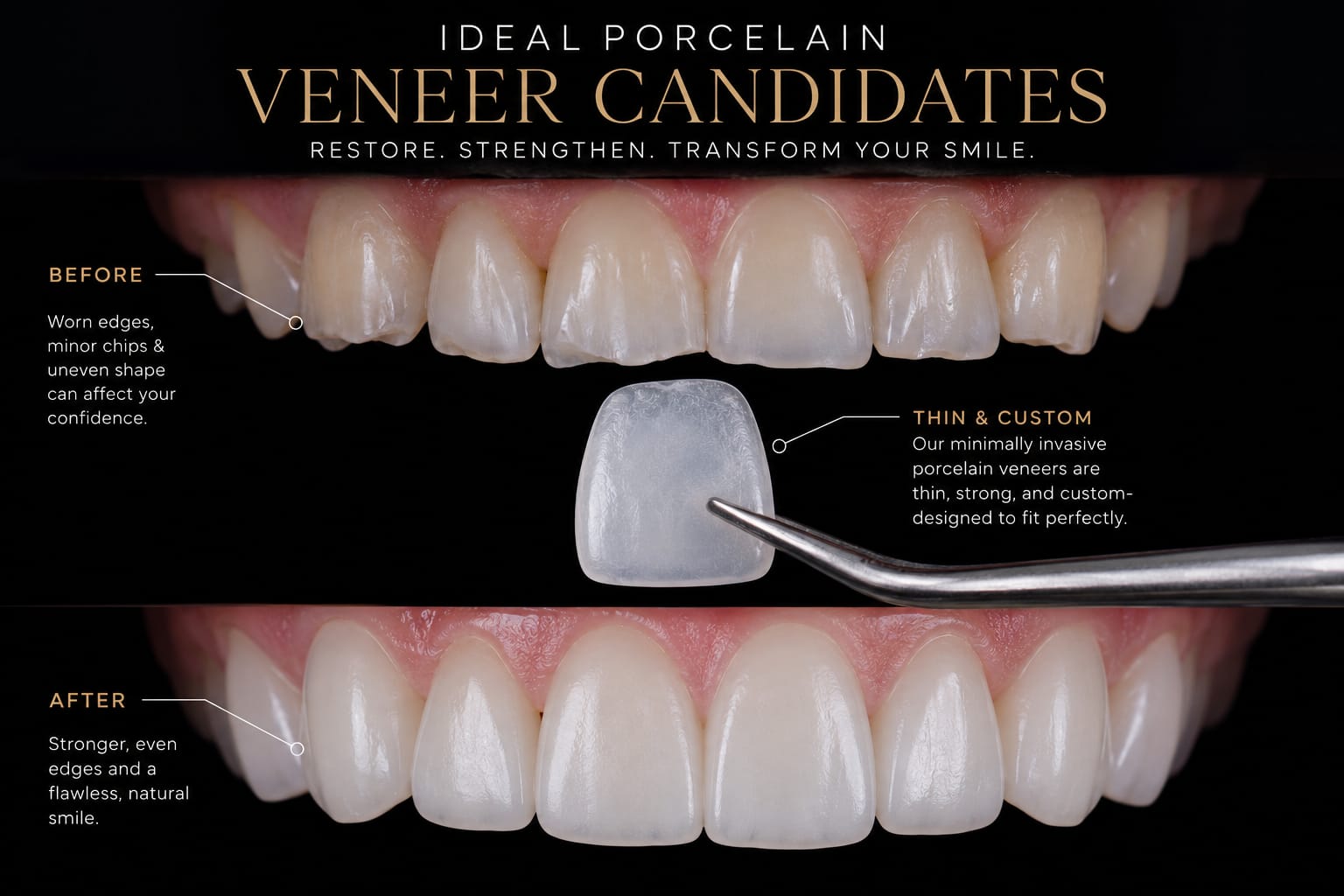
Porcelain veneers are thin, custom-made ceramic restorations that are bonded to the front surfaces of selected teeth. They may be used to improve tooth color, size, shape, alignment, symmetry, and overall smile balance.
Minimally invasive veneers follow a conservative treatment philosophy. The dentist attempts to preserve as much healthy enamel as possible while creating enough space for porcelain that looks natural and fits properly.
Some patients may qualify for true no-prep veneers, meaning little or no enamel reduction is required. Other patients may benefit from a very small amount of selective preparation to prevent the veneers from looking bulky and to create a smooth, natural transition near the gumline.
You can read more about this conservative approach in our guide to no-prep and minimally invasive veneers .
No-Prep Veneers Versus Minimal-Prep Veneers
The terms “no-prep” and “minimal-prep” are sometimes used interchangeably, but they are not exactly the same.
No-prep veneers are placed without intentionally removing enamel or with only extremely minor surface modification. They may be appropriate when teeth are smaller, positioned slightly inward, or require additional volume.
Minimal-prep veneers involve conservative, selective enamel reshaping. This may be recommended when a tooth protrudes, has an irregular contour, requires a change in position, or needs additional space for porcelain.
The most conservative option is not automatically the option involving the least preparation. A completely no-prep approach can sometimes result in excessive thickness or overcontoured teeth. Proper diagnosis is necessary to determine which technique will produce the healthiest and most natural-looking result.
Why Enamel Preservation Matters
Enamel is the durable outer layer of a natural tooth. In adhesive cosmetic dentistry, preserved enamel provides an excellent surface for bonding porcelain restorations.
A minimally invasive approach attempts to keep veneer preparation within enamel whenever the clinical situation allows. Preserving enamel may support strong bonding, reduce the risk of unnecessary sensitivity, and maintain more of the tooth’s natural structure.
Potential Benefits of Conservative Veneer Preparation
- More natural tooth structure is preserved
- A greater portion of the restoration may be bonded to enamel
- There may be less postoperative sensitivity
- The prepared tooth remains more structurally intact
- Future treatment options may be preserved
- The final veneer can be designed with a thin, natural profile
Every case is different. Teeth with large fillings, fractures, severe discoloration, significant crowding, or existing crowns may require a different restorative approach.
What Cosmetic Problems Can Veneers Improve?
Minimally invasive porcelain veneers may be used to improve several cosmetic concerns at the same time. This makes them a versatile option for patients who want a comprehensive smile enhancement rather than treating each cosmetic concern separately.
Veneers May Help Correct:
- Chipped or fractured front teeth
- Worn or shortened teeth
- Small spaces or gaps between teeth
- Uneven tooth lengths
- Irregular or narrow tooth shapes
- Deep discoloration that does not respond adequately to whitening
- Enamel defects or developmental irregularities
- Mild tooth rotations or alignment concerns
- Asymmetrical teeth
- A smile that appears aged because of tooth wear
Veneers are not intended to treat every type of dental problem. Significant bite issues, severe crowding, active gum disease, tooth decay, or heavily damaged teeth may need to be treated before cosmetic veneers are considered.
Learn more about the characteristics that make someone a suitable candidate in our article about ideal porcelain veneer candidates .
The Smile Design and Veneer Process
1. Cosmetic Consultation
Your treatment begins with a consultation to discuss what you like and dislike about your smile. It is helpful to explain specific concerns, such as tooth color, spacing, worn edges, uneven proportions, or a smile that does not feel balanced.
Your dentist will evaluate your teeth, gums, existing dental work, bite, and overall oral health. Diagnostic X-rays may be recommended to identify decay, infections, bone loss, or other conditions that must be addressed before cosmetic treatment.
2. Photography and Facial Analysis
Clinical photographs document your teeth from multiple angles. Full-face photographs and videos may also be taken to evaluate how your smile appears during natural facial expressions.
Static photographs are valuable, but video can reveal how your lips move and how much tooth is displayed while speaking and smiling. These details can influence the planned length and position of the veneers.
3. Digital Impressions
An intraoral scanner creates a detailed three-dimensional model of your teeth and bite. Digital impressions can be used to evaluate tooth position, communicate with the laboratory, and create a proposed smile design.
4. Virtual Smile Design
The proposed teeth are designed according to your facial features, existing tooth position, desired changes, and functional needs. Tooth width, length, contours, edges, and alignment can be evaluated before the final restorations are created.
5. Smile Trial or Mock-Up
A prototype may be transferred to your mouth so you can preview the planned shape and size of your new smile. This is sometimes called a mock-up, smile trial, or test drive.
The prototype allows you to evaluate the proposed tooth length, overall shape, speech, lip support, and appearance. Your feedback can then be incorporated into the final design.
6. Conservative Tooth Preparation
When preparation is required, the approved smile design may help guide how much enamel needs to be modified. The goal is to create adequate room for the porcelain while avoiding unnecessary reduction of healthy tooth structure.
The exact amount of preparation depends on the position, color, shape, and condition of each tooth. Preparation may vary from one tooth to another within the same case.
7. Temporary Veneers
If tooth preparation is performed, temporary veneers may be placed while the final ceramic restorations are being created. Temporaries protect the teeth and provide another opportunity to evaluate the design.
During this stage, patients may provide feedback regarding length, shape, speech, comfort, and appearance.
8. Final Porcelain Fabrication
The final veneers are custom fabricated using dental ceramics selected for the individual case. The dentist and laboratory consider shade, brightness, translucency, surface texture, contour, and natural anatomical details.
A natural smile is rarely one flat color. Carefully designed porcelain can reflect and transmit light in a way that resembles natural enamel.
9. Veneer Try-In and Bonding
Before bonding, the veneers are evaluated for fit, shape, shade, and overall harmony. Once the dentist and patient approve the result, the teeth and porcelain are prepared according to the selected adhesive protocol.
Meticulous isolation is essential. Controlling moisture and following the proper bonding steps help support a durable connection between the porcelain and the tooth.
10. Final Evaluation and Maintenance
After bonding, the bite is checked and refined when necessary. Follow-up visits allow the dentist to evaluate gum health, comfort, function, and the patient’s response to the new smile.
What Makes Veneers Look Natural?
Natural-looking veneers are not created by selecting a shade alone. The final appearance depends on a combination of design, material selection, preparation, ceramic artistry, and attention to detail.
Important Characteristics Include:
- Tooth proportions that complement the patient’s face
- A smile arc that follows the natural curvature of the lower lip
- Individualized shapes rather than identical teeth
- Realistic surface texture and line angles
- Appropriate translucency and light reflection
- Natural transitions near the gumline
- A shade that complements the skin, lips, and surrounding teeth
- Proper contours that support gum health
Patients can view examples of cosmetic cases by visiting our smile makeover and veneer portfolio.
Who Is a Candidate for Minimally Invasive Veneers in Staten Island?
The best candidates generally have healthy teeth and gums, enough enamel for predictable bonding, and cosmetic concerns that veneers can address safely.
You May Be a Candidate If You:
- Want to improve tooth shape, color, size, or symmetry
- Have healthy gums and no untreated cavities
- Have adequate enamel on the teeth being treated
- Practice good oral hygiene
- Have realistic expectations about the outcome
- Are willing to attend routine dental cleanings and examinations
- Will wear a protective nightguard when recommended
When Another Treatment May Be Recommended
Veneers may not be the first treatment recommended for patients with active gum disease, extensive tooth decay, severe grinding, major bite problems, severely misaligned teeth, inadequate enamel, or structurally compromised teeth.
In some cases, orthodontic treatment, gum therapy, tooth whitening, bonding, crowns, or a combination of procedures may provide a healthier or more conservative result.
Alternatives to Porcelain Veneers
Professional Teeth Whitening
When tooth shape and alignment are already satisfactory, professional whitening may be enough to create a brighter smile. Whitening is typically more conservative than veneers because it does not require adding porcelain to the teeth.
Learn more about professional teeth whitening at Remedy Dentistry.
Composite Bonding
Composite bonding uses tooth-colored resin to repair small chips, close minor spaces, or adjust tooth contours. Bonding can be conservative and may often be completed in one appointment, although it may not offer the same stain resistance or long-term color stability as porcelain.
Clear Aligners
When tooth position is the primary concern, clear aligner treatment may straighten the teeth without permanently changing their surfaces. Aligning the teeth first can sometimes reduce or eliminate the need for veneers.
Dental Crowns
A crown covers more of the tooth than a veneer and may be recommended when a tooth is significantly broken down, heavily restored, fractured, or weakened. Crowns are not normally the first choice for healthy front teeth that only require cosmetic enhancement.
The best treatment is the one that addresses the cosmetic concern while preserving the greatest reasonable amount of healthy tooth structure.
How to Care for Porcelain Veneers
Porcelain veneers should be maintained similarly to natural teeth. Although porcelain is resistant to staining and decay, the natural tooth underneath and the gums surrounding it still require consistent care.
Veneer Maintenance Tips
- Brush twice daily using a soft-bristled toothbrush
- Floss between the teeth every day
- Use a non-abrasive toothpaste
- Attend regular dental examinations and professional cleanings
- Avoid biting ice, pens, fingernails, or other hard objects
- Do not use your teeth to open packages
- Wear a nightguard if you grind or clench your teeth
- Wear appropriate protection during contact sports
Routine professional maintenance allows the dentist and hygienist to monitor the veneers, surrounding gum tissue, bite, and natural teeth.
Visit our dental cleaning page to learn more about preventive care and professional hygiene appointments.
Watch: How Digital Smile Design Works
Add an original Remedy Dentistry video explaining how photography, digital scanning, smile prototypes, and minimally invasive porcelain veneers are used to plan a customized smile.
PASTE-YOUR-YOUTUBE-EMBED-URL-HERE
Frequently Asked Questions About Smile Design and Minimally Invasive Veneers
What is Digital Smile Design?
Digital Smile Design is a planning process that uses photographs, facial analysis, digital impressions, and specialized software to create and evaluate a proposed smile before final treatment begins.
Can I preview my smile before getting veneers?
Many patients can preview their proposed smile through a digital simulation, diagnostic wax-up, or temporary mock-up. A physical smile trial allows you to evaluate tooth length, shape, lip support, speech, and overall appearance.
Do minimally invasive veneers require shaving the teeth?
Some patients may qualify for veneers with no preparation, while others require a very small amount of selective enamel reshaping. The appropriate approach depends on tooth position, color, size, alignment, and the desired result.
Are no-prep veneers appropriate for everyone?
No. No-prep veneers are generally most suitable when teeth are small, positioned inward, or need additional volume. Placing no-prep veneers on teeth that are already prominent may make them appear bulky.
Will porcelain veneers look fake?
Properly designed veneers should complement your face and mimic the texture, translucency, proportions, and light reflection of natural teeth. Digital planning and customization help avoid an artificial or one-size-fits-all appearance.
What problems can minimally invasive veneers correct?
Veneers may improve chipped teeth, worn edges, small gaps, uneven proportions, irregular shapes, enamel defects, mild alignment concerns, and discoloration that does not respond adequately to whitening.
How many veneers will I need?
The appropriate number depends on your smile width, how many teeth show when you smile, the condition of your teeth, and your cosmetic goals. Some patients treat only a few teeth, while others choose a broader smile makeover.
Are porcelain veneers permanent?
Veneers should be considered a long-term dental treatment. Even minimally prepared veneers may require ongoing maintenance and eventual replacement. Your dentist will explain the long-term responsibilities before treatment.
Can crooked teeth be corrected with veneers?
Veneers may visually improve mild rotations or minor alignment concerns. More significant crowding or bite problems may be better treated with orthodontics or clear aligners before cosmetic treatment.
Do porcelain veneers stain?
Dental porcelain is highly resistant to staining, but the surrounding natural teeth can still change color. Regular hygiene visits and good home care remain important.
Do veneers require special cleaning?
Veneers do not normally require special cleaning products. Brush with a soft toothbrush, floss daily, use a non-abrasive toothpaste, and maintain regular professional dental visits.
What happens if I grind my teeth?
Grinding and clenching can place excessive force on veneers and natural teeth. Your dentist may recommend bite treatment, orthodontic evaluation, or a custom nightguard to help protect the restorations.
Who is a candidate for minimally invasive veneers in Staten Island?
Candidates generally have healthy teeth and gums, adequate enamel, realistic cosmetic goals, and concerns involving tooth color, shape, spacing, wear, or mild asymmetry. A clinical examination is necessary to determine whether veneers are appropriate.
How much do minimally invasive veneers in Staten Island cost?
The cost depends on the number of teeth being treated, the complexity of the smile design, the ceramic material selected, and whether additional procedures are required. A personalized treatment plan and fee estimate are provided after a cosmetic consultation.
Do minimally invasive veneers damage natural teeth?
Minimally invasive veneers are planned to preserve as much healthy enamel as clinically possible. Some cases require no preparation, while others need selective enamel reshaping to avoid bulky contours and create a natural result.
Can I preview minimally invasive veneers before treatment?
Many patients can preview their planned smile through digital simulations, a diagnostic wax-up, or a temporary smile prototype. This allows the proposed tooth shape, length, and proportions to be evaluated before the final porcelain is created.
Discover What Is Possible for Your Smile
Your smile makeover should begin with a careful evaluation—not a one-size-fits-all treatment plan. At Remedy Dentistry, Dr. Gregory Balaes uses digital technology, personalized smile design, and a minimally invasive philosophy to create natural-looking results while preserving healthy tooth structure whenever possible.
During your consultation, we will evaluate your teeth and gums, discuss what you would like to change, review your treatment options, and determine whether whitening, bonding, clear aligners, minimally invasive veneers, or another approach is right for you.
Schedule a cosmetic consultation at Remedy Dentistry in Staten Island and take the first step toward a smile designed specifically for you.
Schedule Your Consultation Call (718) 747-8711 Contact Remedy Dentistry
Schedule a Minimally Invasive Veneers Consultation in Staten Island
Discover whether minimally invasive veneers, digital smile design, teeth whitening, bonding, Invisalign, or another cosmetic treatment is right for your smile. At Remedy Dentistry, Dr. Gregory Balaes creates personalized treatment plans focused on natural-looking results and preserving healthy tooth structure whenever possible.
Schedule your consultation for minimally invasive veneers in Staten Island today.