
Remedy Dentistry · Staten Island, NY
The Cost & Value
The number of teeth.
The change you want to see.
At Remedy Dentistry in Staten Island, Dr. Gregory J. Balaes, DMD plans porcelain veneers around the teeth visible in your natural smile, your existing shade and your bite. One or two veneers can blend individual teeth; wider plans can coordinate smile width and color. Digital design and a physical trial smile help preview your options.
Porcelain veneers · At a glance
Quick Facts
| Detail | Answer |
|---|---|
| How many veneers? | 1, 2 or 4 for selected teeth; 8–10 upper teeth for a broader upper smile; 12–14 or 20 total teeth for selected upper-and-lower plans. See how each differs. |
| How we decide | Natural and spontaneous smile, side views, tooth proportions, existing shade, whitening response, enamel, gums and bite. |
| Starting treatment price | $3,800; a personalized written estimate confirms the treatment included. |
| Per-arch range | $15,000–$18,000 per arch; the recommended scope determines the final estimate. |
| Typical timeline | 2 treatment visits over 3–4 weeks. Preliminary care, planning and follow-up may add appointments. |
| Expected longevity | 10–15 years with proper care is a planning expectation, not a guarantee. Remedy recommends cleanings every 4 months, adjusted to your needs. |
| Preview your smile | Digital smile design and a physical trial smile help evaluate the proposed shape and width before final porcelain. |
| Upper & lower timing | Both arches can be coordinated together or staged: 10 upper teeth first, 10 lower teeth later, when clinically appropriate. |
| Your dentist & location | Dr. Gregory J. Balaes, DMD · Remedy Dentistry 932 Woodrow Road, Staten Island, NY 10312 (718) 747-8711 |
The value of the right scope
How many teeth. What can change.
Start with the change you want to see: blending one tooth, balancing the front teeth or coordinating a broader smile. These examples explain common designs. Your tooth health, enamel, bite and smile visibility determine which options are appropriate.
Teeth included in the exampleNatural teeth outside the plan
| Teeth treated | Expected change / value | How we plan the blend |
|---|---|---|
| 1 veneerOne selected toothUpper teeth shown. | Blend one tooth into your natural smile. A veneer may help a discolored or chipped tooth match its neighbors in shade, shape and surface texture. A suitable root-canal-treated front tooth may also be considered. | The goal is a close match to your natural smile. For a root-canal-treated tooth, remaining structure and bite determine whether a veneer, crown or another restoration is appropriate. |
| 2 teethTwo laterals or two centralsIllustrates two upper laterals. | Balance a pair of front teeth. Two veneers may restore the proportions of small or peg-shaped lateral incisors—the teeth beside your two front teeth. Another focused plan treats the two central incisors. | Match the surrounding natural teeth while improving symmetry, size or shape. Tooth position, space and bite may make bonding or orthodontics part of the plan. 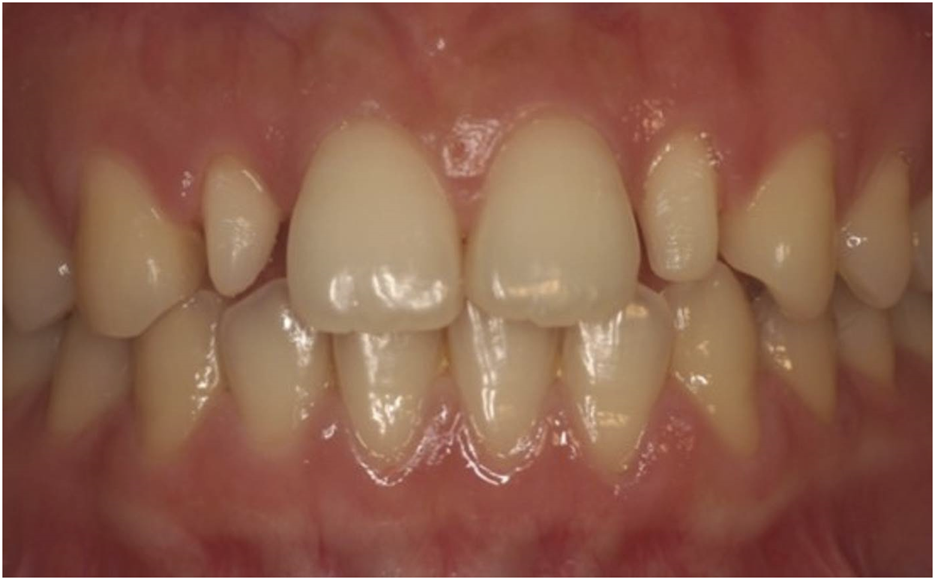 |
| 4 teethUpper central & lateral incisorsUpper teeth shown. | Refine the front four while keeping a natural blend. Treat the two central and two lateral incisors to coordinate their shape, length and symmetry. The porcelain shade is planned to blend with the neighboring canines and premolars. | We usually recommend whitening suitable adjacent natural teeth before selecting the final porcelain shade. Whitening lightens natural teeth; it does not change porcelain. Allow the whitened shade to stabilize before shade matching. |
| 6 teethUpper canine to canineUpper teeth shown. | A focused front-tooth change, with a visible stopping point. Six teeth stop at the canines. For a wider-smile goal, adding too much contour at those corners can make the canines look prominent while the premolars remain less visible. | At Remedy, six is usually not our first recommendation when the goal is a broader smile or a substantial shade change. A canine-to-canine design may emphasize the front arc while leaving the side teeth in shadow. This is a planning concern—not an inevitable result of six veneers. |
| 8 teethUpper first premolar to first premolarUpper teeth shown. | Carry the design beyond the canines. Eight upper veneers include one premolar on each side. This can extend the coordinated shape and shade into the sides of a smile when those eight teeth cover the visible smile zone. | We assess your relaxed smile, spontaneous laugh and side views. If the second premolars show and would create a noticeable difference in color or width, a 10-tooth plan may blend more naturally. |
| 10 teethUpper second premolar to second premolarUpper teeth shown. | Coordinate the full visible upper smile. Ten upper veneers include both premolars on each side. In suitable cases, carefully planned contours can make the smile appear fuller from an angle and reduce dark-looking spaces toward the sides in photographs. | Your “cocktail smile”—the unplanned smile someone sees while you talk or laugh from the side—helps guide the choice. We aim to avoid a visible shade or width transition between porcelain and natural teeth. Veneers do not widen the jaw, and eliminating every shadow is not a treatment goal. |
| 12–14 teeth8–10 upper + 4 lower incisorsIllustrates 14 teeth: 10 upper + 4 lower. | Refine the upper smile and the four lower front teeth. A 12-tooth plan can mean 8 upper veneers plus 4 lower incisors; a 14-tooth plan can mean 10 upper veneers plus 4 lower incisors. The lower incisors sit between the lower canines. | The lower canines and premolars remain natural. Whether they blend depends on the selected porcelain shade, existing tooth shade and whitening response. For a large color change, the transition beside the lower incisors may be noticeable; a coordinated 20-tooth plan may be more appropriate. |
| 20 teeth10 upper + 10 lower teethUpper and lower. | Coordinate color and proportions across both arches. Ten teeth on each arch extend from second premolar to second premolar. This may suit a broader color change when whitening cannot bring the visible natural teeth close enough to the selected porcelain shade. | Upper and lower treatment can be coordinated in the same treatment visits or completed in stages—for example, 10 upper teeth first and 10 lower teeth at a later date. We plan the final shade and bite together and explain any temporary color difference between stages. |
Tooth maps are simplified examples, not predicted results. “Premolar to premolar” is made specific above: eight teeth reach the first premolars; ten teeth reach the second premolars. Molar teeth are outside these example veneer plans.
The side-view test
Plan for your
“cocktail smile.”
A posed front-facing photograph shows only part of your smile. We also evaluate the teeth visible when you relax, talk and laugh—and what someone sees from the side.
The aim is a smooth transition in color and contour, with appropriate tooth proportions. Digital planning and a physical trial smile help assess whether eight or ten upper teeth better fit your visible smile and bite.
Your treatment workflow
Plan. Preview. Place.
Veneer treatment typically takes two visits over 3–4 weeks, with design and laboratory work coordinated around your case. The sequence and time between appointments are confirmed during planning.
- Visit 01
Plan & preview
- Review your goals, tooth and gum health, and bite.
- Gather the photographs and digital scans needed for your design.
- Discuss the proposed smile and treatment estimate.
- Review a physical trial smile when appropriate, and plan any necessary tooth preparation or temporaries.
- Between visits
Create your porcelain
Your refined design guides the fabrication of your custom ceramic restorations. Timing depends on laboratory work and any changes needed.
- Visit 02
Review & place
- Try in the veneers and review their appearance together.
- Check shade, shape, fit and contours before final bonding.
- Bond the approved restorations and assess your bite.
- Discuss home care, follow-up and bite protection when needed.
Your appointment plan is individualized. Preliminary dental care, additional planning or follow-up may require separate appointments. A trial smile is a prototype and can differ from the final porcelain.
Understand your quote
What goes into the investment?
Your written estimate explains the services included in your plan. We review the design, restorative treatment and any additional care with you before moving forward.
- Clinical evaluation and planning records
- 3D smile design and trial-smile planning
- Tooth preparation and temporary restorations, if needed
- Custom ceramic fabrication and final placement
- Recommended follow-up and maintenance
Why totals vary
Designed for your case.
- Number of teeth: a focused change and a full smile design involve different amounts of treatment.
- Material and laboratory work: ceramic selection and customization affect the estimate.
- Tooth and gum health: necessary dental care may be planned separately.
- Bite and preparation: complexity can change the recommended treatment and schedule.
Compare your options
Choose the approach that fits.
No-prep describes how a tooth is prepared; porcelain describes the material. Your examination determines which options are appropriate.
| Option | What it can offer | Treatment planning |
|---|---|---|
| Porcelain veneers | Coordinate selected teeth in shape, shade and proportion | Custom ceramic restorations; preparation is tailored to the teeth and intended result. |
| No-prep porcelain veneers | Selected shape or size changes with little or no enamel preparation | An additive approach for suitable teeth; candidacy requires an examination. |
| Composite bonding | Conservative repairs and reshaping for suitable teeth | Tooth-colored resin shaped on the teeth for selected repairs or cosmetic changes. |
Smile planning answers
Questions about number and value.
How do I know if I need 8 or 10 upper veneers?
At Remedy Dentistry in Staten Island, Dr. Balaes evaluates how many upper teeth show in your relaxed smile, spontaneous smile and side views. Eight reaches the first premolars; ten reaches the second premolars. The appropriate number also depends on the shade transition, tooth proportions, enamel and bite.
Why might four lower veneers show a color difference?
Four lower veneers treat the incisors between the canines. The natural canines and premolars may remain darker than a bright porcelain shade. Whitening may improve the blend; when it cannot achieve a close match, a plan including more visible lower teeth may be considered.
Can I complete the upper veneers now and the lower veneers later?
Yes, when clinically appropriate. A 20-tooth design can be staged as 10 upper teeth first and 10 lower teeth later. We plan the intended final shade and bite from the beginning, then discuss the temporary shade difference, treatment sequence and estimates before starting.
Do more veneers always provide more value?
No. Value comes from an appropriate, conservative plan that meets your goals and blends with your smile. One or two teeth may be enough for a focused concern. Whitening, bonding or orthodontics may also be suitable; veneers require individual assessment and ongoing maintenance.
Payment planning
Talk through your options.
Our team can discuss CareCredit and Alphaeon Credit for eligible patients. Financing is subject to lender approval and terms. Ask about the options available for your treatment estimate.
Cosmetic veneers are often excluded from dental insurance benefits. Any coverage depends on your plan and the clinical circumstances; we can help clarify the information needed to review your benefits.
Before you decide
Pricing questions.
What is the starting price for porcelain veneers?
Porcelain veneer treatment starts at $3,800, with per-arch pricing of $15,000–$18,000. Your personalized written estimate confirms the treatment scope and services included.
Can I get a price for 6, 8, 10 or 20 teeth?
Yes. After evaluating your teeth, goals and bite, Dr. Balaes can recommend a suitable scope and provide a written estimate. Per-arch pricing is $15,000–$18,000; your written estimate confirms the total for your recommended plan.
Are two visits guaranteed?
Two visits over 3–4 weeks is the typical veneer treatment plan. The consultation confirms your schedule, including whether preliminary care, further planning or follow-up appointments are needed.
How do I receive an exact estimate?
Request a consultation at Remedy Dentistry. We review your goals and clinical findings, discuss appropriate options and explain your personalized treatment fees.
Your next step
Make a plan for your smile.
Meet with Dr. Balaes to explore the design, treatment and investment that fit your goals.
Remedy Dentistry · 932 Woodrow Road · Staten Island, NY 10312